Jennifer Gregson

Young Adult Indie Author

Menu
  • Home
Menu

Blog

Why Book Reviews Matter: How Leaving a Quick Review Helps Your Favorite Indie Author (and Other Readers!)

Posted on March 21, 2025March 21, 2025 by Jennifer Gregson

Have you ever finished reading a book, flipped to the end, and spotted a little note that says something like, “If you loved this book, please leave a review!”? Maybe you’ve seen it and thought, Eh, does it really make a difference? Spoiler alert: YES, it does—more than you probably think! Today, I want to break down exactly why authors (especially indie authors like me!) ask for reviews and how your short, sweet thoughts can make a BIG impact.

1. Reviews Help Our Books Get Seen

The world runs on algorithms—whether you’re scrolling on Amazon, Barnes & Noble, or Kobo. The more reviews a book has, the more likely the platform is to recommend it to new readers. Yep, even short reviews count! You’ve probably seen those “Readers Also Bought” sections—those are prime spots fueled by reviews. Your review could be the reason a new reader discovers their next favorite book (and mine!).

2. Reviews Help Other Readers Make Decisions

Think about it—how many times have you peeked at reviews before spending your gift card or hard-earned cash? Reviews are like word-of-mouth recommendations in digital form. They help readers decide if the book is worth their time, if it has the kind of plot or character they love, or if it’s a total page-turner. So even if it’s just one sentence, your thoughts matter.
3. Honest, Constructive Reviews Help Authors Grow

Here’s a little behind-the-scenes secret: we actually want your honest opinions. Did the twist not surprise you? Was the character a little flat? Sharing that (kindly!) helps us improve future books, especially if we’re writing a series. Constructive feedback = better books for you in the long run.

4. Reviews Create Promo Magic

Lastly, reviews are a marketing goldmine! I use quotes from reviews in my newsletters, on Instagram, and everywhere else to spread the word. So your review isn’t just for the store—it’s a tool that helps me reach more readers all over the internet.
How to Leave a Quick & Helpful Review

It doesn’t need to be a novel (pun intended)! Here are some super simple review starters:

  • “I loved this book. The main character’s problem felt so real!”
  • “Couldn’t put this down—the twist totally surprised me.”
  • “Such a fun read! Can’t wait for the next book.”

Short, sweet, and seriously helpful.

Ready to help your favorite authors?
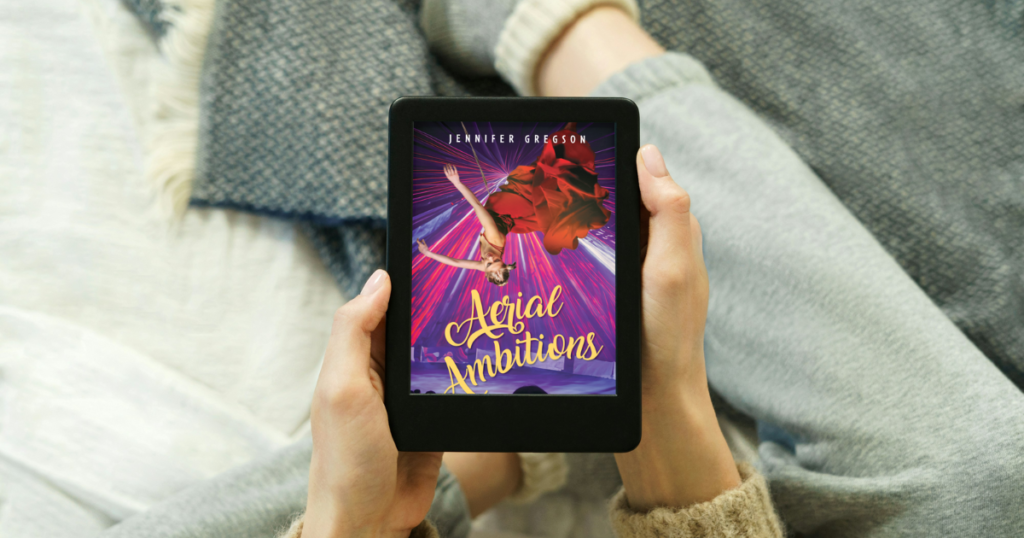
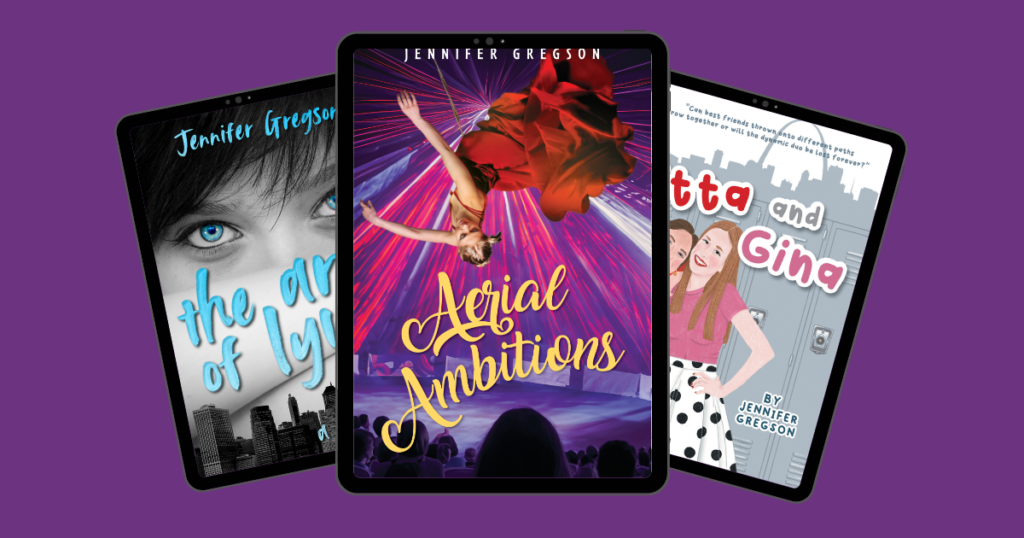
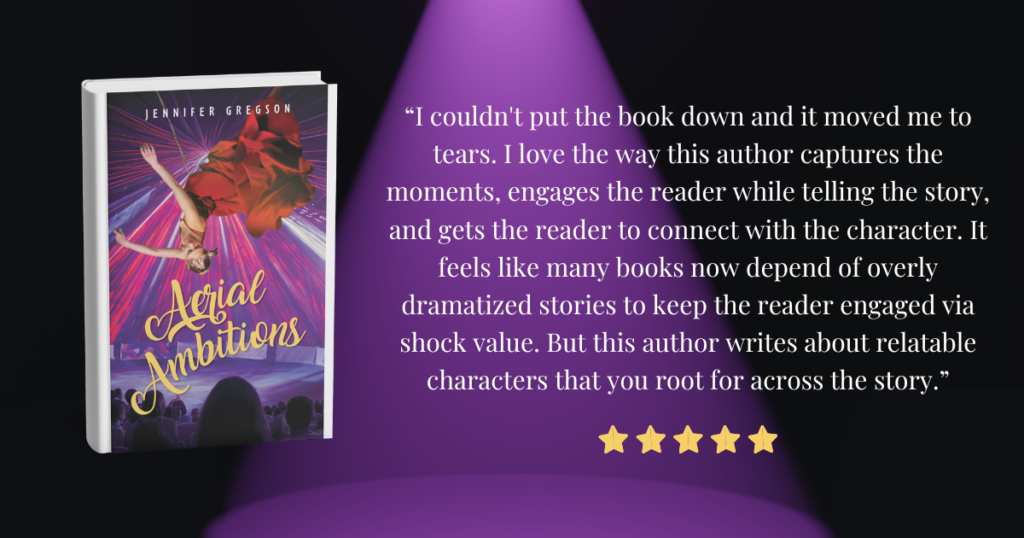
Next time you finish a book you enjoyed—even if it’s just a mild like—consider leaving a review. It’s one of the easiest, most supportive things you can do for indie authors (and fellow readers). If you’ve read my latest Young Adult novel, Aerial Ambitions, I would really appreciate you leaving me a review today. Thanks!!

4 Things I Wish I Knew Before Publishing My First Book (Indie Author Tips)

Posted on March 14, 2025March 14, 2025 by Jennifer Gregson

Publishing your first book is incredibly exciting, but it can also be overwhelming. When I look back at my first release, there are so many things I wish I had known before I hit “publish.” If you’re a new or aspiring indie author, I hope these lessons will make your publishing journey just a little bit easier.

1. Writing the Book is Just the First Step

I used to think that once I finished my first draft, I was done. But that couldn’t have been further from the truth. After writing comes self-revision, editing, cover design, formatting, and finally, distribution. These steps took far longer than I expected, and I actually had to push back my publication date by six months.

My advice: Give yourself plenty of time for post-writing production so you’re not caught off guard.

2. Marketing is a Long Game

With my first book, I didn’t realize that marketing wasn’t a one-and-done thing. Even with my second book, I still struggled to grasp that marketing is a long-term commitment.

Your book will be out there for years—possibly forever! That’s the beauty of self-publishing. But marketing is ongoing, and new platforms (like TikTok) come and go. The key is to have a flexible plan and be willing to try different strategies over time.

3. Pricing Your Book is Tricky

I made a huge mistake when I underpriced my first book, thinking a lower price would attract more readers. Instead, it had the opposite effect—people assumed it wasn’t high-quality.

Pro tip: Research your genre’s pricing, look at both indie and traditionally published books, and price accordingly. If you’re launching a series, consider making the first book slightly lower in price to encourage read-through.

4. You Can’t Do This Alone

Writing is a solo activity, but publishing doesn’t have to be. I wish I had connected with other indie authors earlier in my journey. Having a community of fellow writers helps with motivation, knowledge-sharing, and marketing support.

Find a writing group, join online forums, or reach out to fellow indie authors. A strong writing community can make all the difference.

What Do You Wish You Knew?

If you’re a published author, what’s one thing you wish you knew before hitting publish? Drop a comment below! And if you’re just starting out, what’s your biggest question about self-publishing?

How to Overcome Creative Fear and Finish Your Passion Projects

Posted on March 7, 2025March 7, 2025 by Jennifer Gregson

Starting a creative project is exciting—but fear, self-doubt, and that relentless inner critic can stop you in your tracks. Whether you’re writing a book, painting a canvas, or launching a new creative venture, fear can make you second-guess everything.

As an indie author, I’ve battled these fears many times, sometimes delaying a project for nearly a year. But through experience, I’ve learned that fear doesn’t have to win. Instead, it can be understood, reframed, and even used as a tool for creative growth.

The Three Types of Creative Fear

  1. Fear of Success – It sounds counterintuitive, but success can be scary. What if people expect more from you? What if you change too much? This fear whispers, What if I can’t keep up?
  2. Fear of Failure – This is the classic What if I’m not good enough? fear. The fear of putting your heart into something and not seeing the results you hoped for.
  3. Fear of Judgment & Imposter Syndrome – Worrying about what others will think or feeling like a fraud can be crippling. Thoughts like What if they find out I’m not as talented as they think? hold so many creatives back.

How to Reframe Fear and Keep Creating

  1. Acknowledge Fear, Don’t Fight It
    Fear isn’t your enemy—it’s trying to protect you, just in a clumsy way. Instead of letting it paralyze you, ask: What is this fear trying to tell me?
  2. Feel It in Your Body
    Take a moment to notice where you feel fear physically—your chest, shoulders, or stomach? This simple awareness can help you move through it.
  3. Journal It Out
    Write about your fear. Ask yourself: Which fear is stopping me? Then go deeper with What am I really afraid of? This exercise brings clarity.
  4. Use Intentional Creativity
    • Tarot – Pull a card representing your inner critic and have a conversation with it.
    • Cosmic SmashBooking – A creative blend of journaling and art that helps reframe limiting beliefs.
  5. Find Accountability
    A friend, a creative community, or an accountability partner can help you push through fear and stay committed to your project.

Fear will always show up in the creative process. The key is learning how to work with it, not against it. So the next time fear tries to stop you, try these strategies and keep going.

Does your inner critic or inner fear hold you back from fully embracing your creative potential?

Whether it’s the voice of self-doubt or the protective whisper urging you to stay in your comfort zone, these inner barriers can make pursuing your creative dreams feel impossible.

But it doesn’t have to be that way!

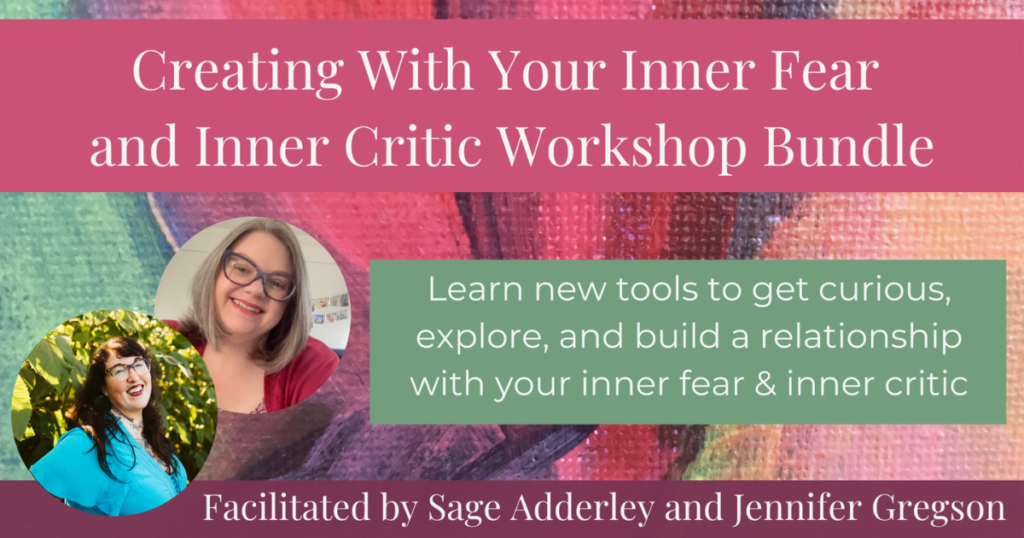
✨ Introducing the Workshop Bundle: Creating with Your Inner Critic & Inner Fear ✨

Join me and my co-host, Sage Adderley, as we guide you through two transformative workshops designed to help you mend your relationship with your inner critic and inner fear. Through creative and intuitive tools, you’ll learn how to approach these inner voices with curiosity and compassion, empowering yourself to create with ease and confidence.

✨ Ready to transform your inner voices and unleash your creative potential? ✨

Join us HERE!!
The Inspiration Behind Aerial Ambitions: Circus Dreams, Grief, and Harry Styles

Posted on February 28, 2025February 28, 2025 by Jennifer Gregson

Every book has a story behind the story, and today, I want to share what inspired my third young adult novel, Aerial Ambitions. This book was on my heart for years before I had the chance to sit down and write it, and some of the inspiration behind it was expected—while one source completely surprised me!

A Love for the Circus

One of the biggest inspirations for Aerial Ambitions was, of course, the circus. My main character, Roz, comes from a family of traveling performers, but she leaves that small world behind to join a grand three-ring circus in Chicago.

My love for the circus started early. Growing up in St. Louis, my dad had a lot of friends who were Shriners, and every year, we’d go to the Shriners Circus. I was captivated by the spectacle, the daring stunts, and the larger-than-life performances. My brother was even part of a local circus when we were kids, and I still remember my mom helping him put on his clown makeup.

At one point, I auditioned to be the ringmaster at my performing arts elementary school, though I changed schools before I could actually do it. But the idea of commanding the center of the ring stuck with me, and it eventually found its way into Aerial Ambitions.

Personal Loss and Grief

While the circus theme was a fun and exciting part of the story, Aerial Ambitions also has deep emotional layers. From the beginning, I knew that Razi’s older brother would die—a pivotal event that shapes her journey. Originally, I wrote the scene where he dies attempting a dangerous motorcycle stunt, but in the final version, his death happens before the book even begins.

Though I haven’t lost a sibling to a fiery motorcycle accident, I have lost two siblings to cancer. Writing about grief in this novel meant pulling from my own experiences, using those emotions to make Roz’s pain and resilience feel real. She also lost her mother at a young age—something I haven’t experienced personally, but I channeled my own losses into her story.

A Love for the Spotlight

Beyond the circus itself, Roz’s desire to perform and chase the spotlight mirrors my own past. I have a degree in theater and spent years auditioning for Broadway and regional productions. While I never reached the heights of my Broadway dreams, I’ve always loved being on stage, performing, and captivating an audience.

That craving for the spotlight is a major driving force for Roz. She wants to see her name in lights above the circus tent, to be remembered as a legendary performer. To write her character, I pulled from my own memories—learning monologues, dreaming about seeing my name on a marquee, and the thrill of applause.

A Surprise Inspiration: Harry Styles

Now, for the unexpected source of inspiration—Harry’s House, the album by Harry Styles.

For some reason, that album became my writing soundtrack. I played it every single time I sat down to write or edit Aerial Ambitions, and now, whenever I hear a song from it, I immediately feel the urge to write. It’s like Pavlov’s dog, but for creativity!

I even thanked Harry Styles in the acknowledgments of my book because I truly don’t think I would have made it through the writing process without his music. If anyone out there knows him, let him know I’d gladly send him a copy!

Finding Your Own Inspiration

Writing a book isn’t always easy, and sometimes, the inspiration to keep going comes from unexpected places. For Aerial Ambitions, I drew from childhood memories, personal loss, and my theater background—but also from a pop album that just happened to click with my creative brain.

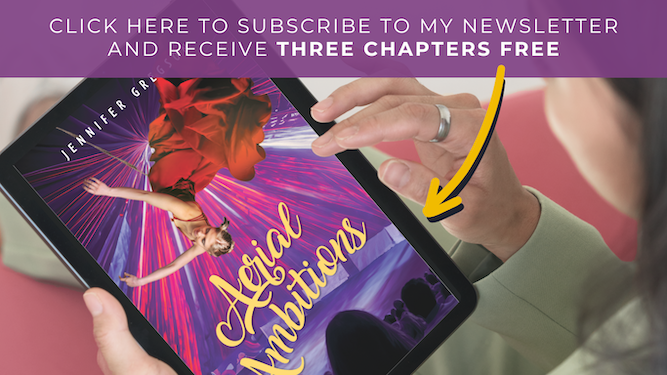
If you want to check out Aerial Ambitions, you can read the first three chapters for free when you join my newsletter or grab a copy on Amazon (available in Kindle Unlimited, ebook, and paperback).

What’s the strangest thing that has ever inspired you? Let me know in the comments—I’d love to hear your stories!

5 Writing Mistakes I Made as an Indie Author (and How to Avoid Them)

Posted on February 21, 2025February 21, 2025 by Jennifer Gregson

Writing your first book is a huge accomplishment, but the journey doesn’t stop there. As an indie author, I’ve made my fair share of mistakes along the way. Looking back, I can see where I could have saved time, energy, and frustration if I had approached things differently. In this post, I’m sharing the five biggest writing mistakes I made so that you can learn from them and avoid falling into the same traps.

1. Taking Too Long to Write My First Few Books

One of my biggest mistakes was how long it took me to write my first few books. Life circumstances played a role—I was balancing writing with raising a small child—but looking back, I see that my writing process was inefficient.

Each book took years to complete because I hadn’t yet honed my outlining and drafting skills. In fact, I had to scrap an entire 70,000-word draft of my second book because I realized too late that it wasn’t working. Over time, I’ve learned to streamline my process, plan better, and trust my instincts sooner.

How to Avoid This Mistake:

  • Set realistic writing goals and deadlines.
  • Develop an outlining system that works for you.
  • Be open to adapting your process as you learn what works best.

2. Not Promoting My Books Enough

When I published my first book, I barely talked about it. I thought simply writing and publishing a book was enough—but I quickly learned that’s not how book sales happen. I mentioned it once or twice, assumed people would just find it, and then moved on.

Now, I realize how important marketing is. Publishing a book is a big deal, and it deserves to be celebrated and shared. It wasn’t until my third book that I truly embraced the need for promotion.

How to Avoid This Mistake:

  • Talk about your book often—before, during, and after launch.
  • Use social media, email newsletters, and other platforms to spread the word.
  • Don’t be afraid to celebrate your accomplishment!

3. Ignoring My Gut Feeling About a Story

With my second book, I knew halfway through the first draft that I didn’t like my main character. Instead of stopping to reassess, I pushed through and finished the draft—only for my editor to confirm what I already knew: the character wasn’t working. This led to me scrapping the entire draft and starting over.

I’ve since learned to trust my instincts. If something feels off in my writing, I pause, reassess, and seek outside input before I invest too much time in a direction that doesn’t feel right.

How to Avoid This Mistake:

  • Listen to your gut if something feels off.
  • Get feedback early in the process from beta readers or editors.
  • Be willing to pivot when necessary.

4. Not Taking Myself Seriously as an Author

For a long time, I struggled to call myself an author. I downplayed my accomplishments and didn’t give my writing the time and attention it deserved. I treated it like a hobby instead of a career, and that held me back.

It wasn’t until my second and third books that I fully embraced my identity as a writer. Now, I prioritize my writing, make time for it, and proudly claim my role as an author.

How to Avoid This Mistake:

  • Own your title—if you write, you’re a writer.
  • Prioritize your writing time and treat it like a job.
  • Believe in the value of your work.

5. Not Reading Enough

I used to think that taking writing courses was enough, but I didn’t read as much as I should have—both in my genre and outside of it. I missed out on learning valuable storytelling techniques, understanding market trends, and discovering what readers expect from my genre.

Now, I make reading a priority. I choose books that entertain me and also help me grow as a writer, whether they’re fiction, industry-related non-fiction, or business books about publishing.

How to Avoid This Mistake:

  • Read widely, both inside and outside your genre.
  • Study books that are successful in your niche.
  • Stay up-to-date with industry trends and best practices.

Final Thoughts

Mistakes are a natural part of the writing journey, but learning from them is what helps us grow. Each book I’ve written has taught me something new, and I’m sure I’ll continue to make (and learn from) mistakes in the future.

If you want to follow along with my writing journey—including the mistakes I’m making as I write my first urban fantasy series—join my email list! I share behind-the-scenes updates, sneak peeks, and insights into my creative process.

The Hardest Parts of Being an Indie Author (And How I’m Tackling Them)

Posted on February 17, 2025February 17, 2025 by Jennifer Gregson

Last week, I shared everything I’ve learned as a self-published author. This week, I want to take it a step further and talk about the hardest parts of being an indie author—because let’s be real, this journey isn’t easy. But just because something is hard doesn’t mean it’s impossible.


1. Marketing Feels… Weird?

For some reason, marketing is the hardest part of being an indie author for me. I always worry:

  • Will people even care?
  • What will people think?
  • Am I annoying people by talking about my books?

And yet, here I am, making videos and writing this blog post because I know the only way to push past fear is through action. Marketing is really just about connection—connecting with readers, fellow authors, and people who love books as much as I do.

To push through, I’ve been:
✔️ Learning new strategies (hello, Pinterest!)
✔️ Asking for advice in writing groups
✔️ Testing different approaches and adjusting when needed
✔️ Taking small weekly action to get me closer to my big goals

2. Talking About My Books is Harder Than Writing Them

I spend years writing a book—building the world, developing the characters, crafting the plot. And then when someone asks, “What’s your book about?” I freeze.

I have an elevator pitch, but it always feels awkward. (Imposter syndrome, anyone?) To get better at this, I’ve been:
✔️ Joining a weekly writer’s group where I introduce my book to new people
✔️ Practicing talking about my book in a casual, natural way
✔️ Reminding myself that readers do want to hear about it

3. Writing Sales Copy is a Struggle

If I have a hard time talking about my books, you can bet that writing about them in an engaging way isn’t much easier. Launch emails, book blurbs, social media captions—it all feels so tricky to get right.

To improve, I’ve started using AI tools as a jumping-off point. I don’t copy and paste—I tweak, rewrite, and make it mine. And with each launch, I feel like I’m getting better.

The Biggest Challenge? Fear & Imposter Syndrome

At the end of the day, all these struggles come back to fear—fear of failure, fear of judgment, fear that no one will care. But I remind myself that fear is just my brain trying to protect me. It’s not real.

I used to perform in musical theater, and right before stepping on stage, I’d get the jitters. But as soon as I was under the spotlight, the nerves disappeared. It’s the same with marketing, pitching, and putting myself out there. The fear fades once I take action.

So, here’s what I’m holding onto:

  • It’s okay to be awkward.
  • It’s okay to not be perfect.
  • It’s okay to mess up.

Because at the end of the day, I love being an indie author. I chose this path, and I’m still so happy I did.


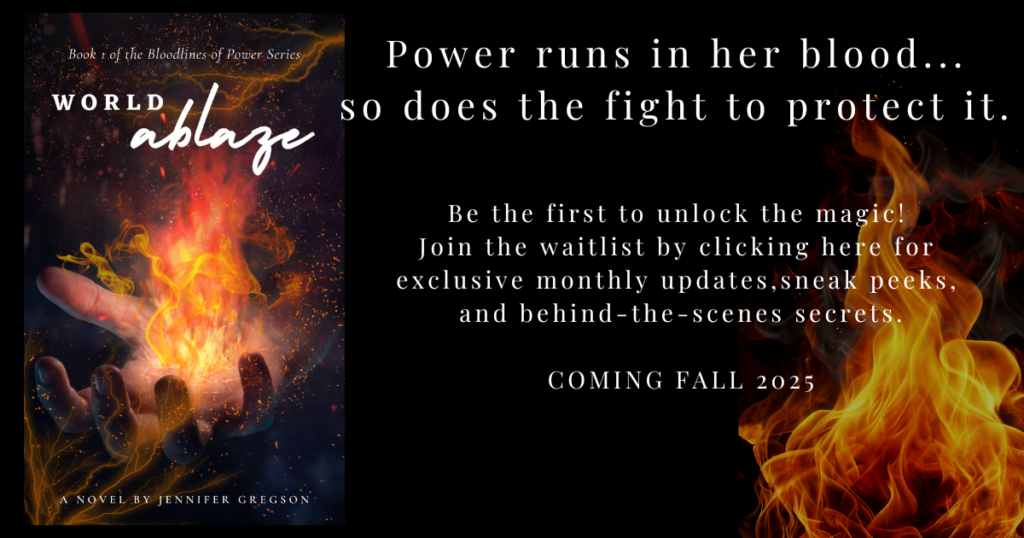
If you like to keep up with my writing journey as I create this new urban fantasy series, then join the waitlist for Book 1 – World Ablaze! I’ll be sending out monthly updates, secret behind the scenes look at characters, and more fun as I spend the next few years on this fun, magical adventure!

6 Things I’ve Learned as a YA Indie Author

Posted on February 10, 2025February 14, 2025 by Jennifer Gregson

I’ve been self-publishing since 2018, and in that time, I’ve worn all the hats—writing, marketing, formatting, working with cover designers, and everything in between. Being an indie author is exciting, challenging, and constantly evolving. Over the years, I’ve learned a lot, and today, I’m sharing six of the most valuable lessons from my journey.


1. Keywords and Categories Matter

When I published my first book, The Art of Lying, I chose keywords and categories that made sense to me—but they weren’t the best for discoverability. Later, I realized how crucial it is to use marketable keywords that readers actually search for. Thankfully, platforms like Amazon allow updates, but knowing the right keywords from the start can make a big difference in your book’s visibility.

2. Always Keep Learning

There’s so much information out there—courses, YouTube videos, books on indie publishing—and they’ve all helped me level up. My first book launch was trial and error, but by my second and third, I had learned strategies that improved my results. The publishing world is always changing, so staying curious and willing to learn is key.

3. Book Promotion Never Stops

One hard truth? Once you stop actively promoting your book, sales slow down (or stop completely). Yes, keywords help people discover your book, but you have to keep talking about it, engaging with readers, and keeping the momentum going. Still, every time I see a new Kindle Unlimited page read or book sale, I get that same thrill—it never gets old!

4. Your Newsletter is Gold

Social media platforms change, algorithms shift, and accounts can disappear (looking at you, TikTok bans). But your newsletter? That’s yours. I wish I had started building my email list before publishing my first book. Having a direct way to reach your readers—without relying on social media—is one of the smartest things you can do as an indie author.

5. Marketing is Trial and Error

What works for one author might not work for another. I’ve experimented with different platforms, strategies, and messaging. Some things flopped, others gained traction, but I’ve learned that marketing is all about testing, adjusting, and figuring out what works for you and your audience.

6. Being in Control is Both Exciting and Overwhelming

As an indie author, I get to make all the decisions—but I have to make all the decisions. From book covers to marketing plans, I have the final say. It’s empowering, but it can also be a lot. The key is to take it step by step, stay open to learning, and keep going.

Being an indie author is a journey, and I love that I get to share it with my readers. If you’re an aspiring author, I hope these lessons help you on your own path.

👉 Want to stay connected? Join my newsletter for exclusive updates, behind-the-scenes insights, and book news!

A Peek into My Writing Routine: Music, Tarot, and Rewards

Posted on February 5, 2025February 14, 2025 by Jennifer Gregson

Writing a book is both magical and messy, and every author has their own way of bringing words to life. Today, I’m sharing my exact writing routine—from the moment I sit down at my desk to the little rituals that keep me inspired.


1. Setting the Mood

Before I write a single word, I set up my space with a few must-haves:
✔️ A beverage (today, it’s water in my Minnie Mouse cup)
✔️ My outline, writer’s notebook, and a fancy pen
✔️ A tarot deck (more on this later!)

Music is also a huge part of my process. I usually pick a playlist on Amazon Music or Spotify. Sometimes it’s modern pop, and other times, I go straight for my comfort zone—the Harry Styles channel. His album Harry’s House practically carried me through the writing of Aerial Ambitions!

2. Getting into the Story

Once my setup is complete, I open Scrivener, my writing software, and read the last few lines of my manuscript. This helps me reconnect with the scene before diving in. I also scan my writing notes, checking for anything I need to remember—like character name changes or plot tweaks. I never edit while drafting, so if something needs fixing, I simply leave a note for my future self.

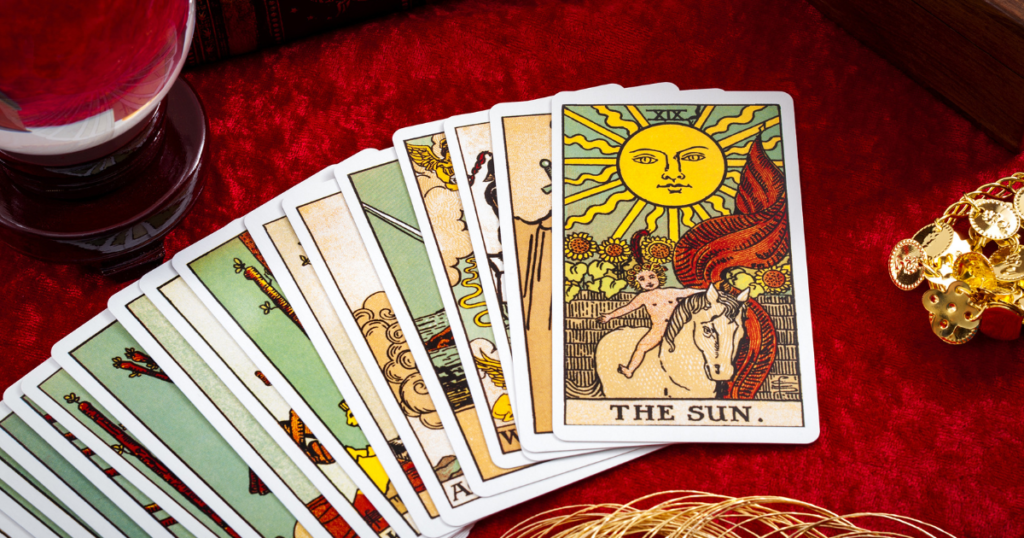
3. Using Tarot for Story Inspiration

One of my favorite writing tools? Tarot cards. I shuffle my deck, think about the scene I’m about to write, and pull a card. The symbolism often sparks new ideas or deepens my character’s motivations. For example, I recently pulled the Son of Pentacles (Knight of Pentacles), which is about taking action. Since my main character has earth-based elemental powers, this made me realize she could use her abilities to boost her confidence in a pivotal moment.

4. Choosing a Reward

Writing isn’t always easy, so I motivate myself with small rewards:
⭐ Writing for 10 minutes = A cup of tea and an episode of Gilmore Girls
⭐ Hitting 2,000 words = Time to scroll my favorite social media app or some yummy chocolate
⭐ Finishing a chapter = Telling a friend so she can cheer me on

5. Writing Time!

With my scene planned, my tarot card pulled, and my reward in mind, I dive into the words. Whether I’m writing solo or in a co-writing session, this routine keeps me focused and inspired.

What’s your writing ritual? Do you use tarot or music to spark creativity? Let’s chat in the comments!


Want more behind-the-scenes content about my upcoming urban fantasy series? Sign up for my newsletter below! As a bonus, you’ll get the first three chapters of Aerial Ambitions for free.

Overcoming Impostor Syndrome as a Writer: How to Keep Creating Despite Self-Doubt

Posted on February 3, 2025February 11, 2025 by Jennifer Gregson

If you’re an indie author, chances are you’ve asked yourself: Am I good enough? Will readers figure out I’m a fraud?

Impostor syndrome is something almost every writer experiences at some point. It can be paralyzing, making it difficult to sit down and do the work. But the good news? You can overcome it. Here’s how I deal with impostor syndrome and keep writing.


Acknowledge Your Fears

The first step in overcoming impostor syndrome as a writer is to acknowledge it. Ignoring or pushing it away won’t make it disappear—it’ll just creep up when you least expect it. Instead, try these methods:

  • Journal about it – Write down your fears and get them out of your head.
  • Talk it out – Share your thoughts with a trusted friend, spouse, or (better option) a therapist.
  • Personify your inner critic – Give it a name, have a conversation, and take away its power over you.

When you sit with your fears rather than fight them, you can process them and move forward.

Take Action to Counteract Fear

The best way to silence impostor syndrome? Take action. Fear thrives on inaction, but even small steps forward can help you break free.

1. Use Accountability Groups

Writing alongside others keeps you motivated. I have three accountability groups throughout the week where I write with other people. This method, often called “body doubling,” can be especially helpful for neurodivergent writers.

2. Set Timers for Short Writing Sessions

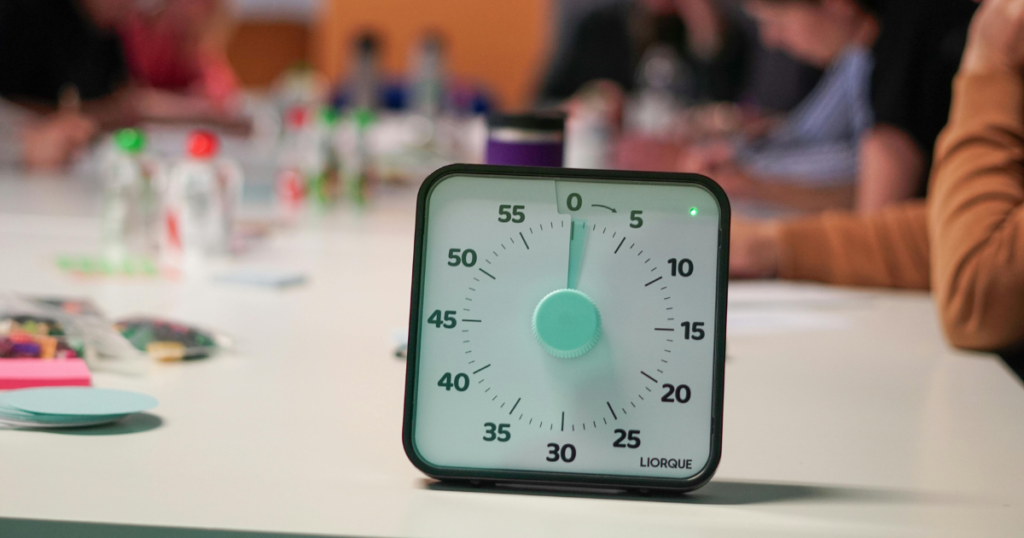
When fear stops me from writing, I set a five-minute timer. I tell myself I only need to write a few sentences, maybe just 25 words. This simple trick helps my brain relax, and I almost always end up writing more than I expected.

3. Focus on Your Why

Why did you start writing in the first place? For me, it’s the art of discovery. Even though I outline, I love when unexpected characters or plot twists appear in my drafts. That excitement keeps me coming back to the page. When impostor syndrome starts whispering doubts, remind yourself why you love to write.

Shift from External to Internal Motivation

Impostor syndrome is often outward-focused: What will people think? Will they like my book? Instead, shift your mindset inward. During the drafting phase, allow yourself to be selfish. What excites you? What scenes make you eager to keep going? Make sure you keep your why somewhere you can see it before each writing session to remind you.

Later, during revisions, you can shift focus to your audience, but for now – give yourself permission to write for you first.


Final Thoughts

Overcoming impostor syndrome as a writer is an ongoing process. Some days, it’s louder than others. But by acknowledging your fears, taking small actions, and remembering your motivation, you can keep writing despite self-doubt.

If you have any questions or topics you’d like me to cover in future posts, drop them in the comments below. 

The Ultimate Writing Toolbox: My Favorite Analog & Digital Writing Tools

Posted on January 31, 2025February 11, 2025 by Jennifer Gregson

Whether you’re a new or seasoned writer, finding the right tools can help boost creativity and streamline your process. Let’s dive in!

My Go-To Analog Writing Tools

Sometimes, nothing beats the feel of pen and paper. Here are my top three must-haves for brainstorming and planning:

1. Spiral-Bound Notebooks

I stock up on these during back-to-school sales, but Amazon also has great deals. I use them for brainstorming, outlining, and keeping track of ideas. For my current urban fantasy series, I dedicated an entire notebook to jot down initial thoughts, asking myself what if questions to spark creativity, and for keeping track of character names and descriptions.

2. Index Cards

These are a lifesaver for outlining! I love that I can move them around, shuffle ideas, and visualize my story structure. Using different colors helps me track changes during revisions—sometimes I even highlight corners or use washi tape to categorize sections.

3. Tarot Cards

If you’ve been following me for a while, you know tarot is a big part of my writing process. I use it for character creation, conflict development, and even as a daily writing prompt. I’ll be sharing more about this in an upcoming post, so stay tuned!

My Favorite Digital Writing Tools

While I love analog tools, I also rely heavily on digital ones. Here are the writing programs I can’t live without:

1. Scrivener

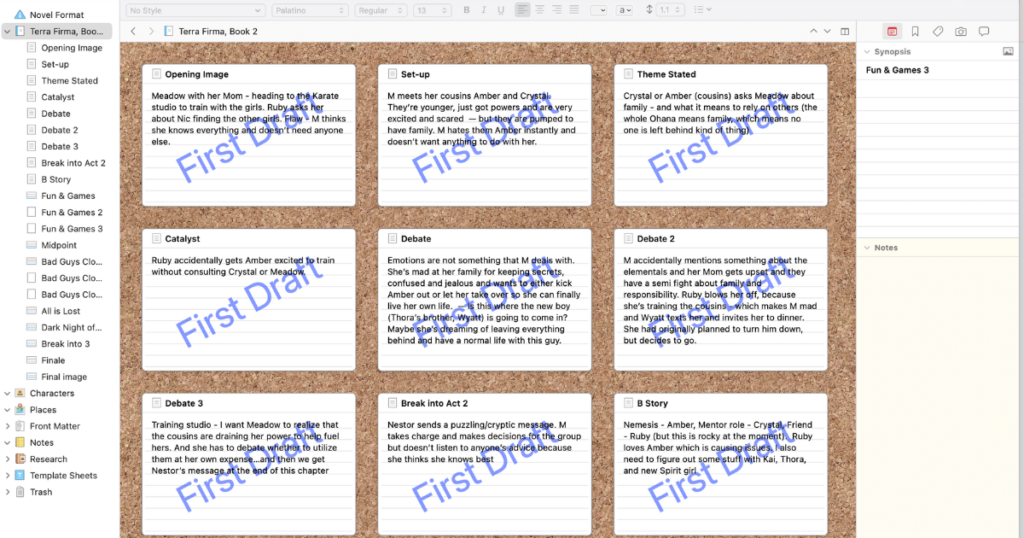
I’ve been using Scrivener for years, transferring it across multiple laptops. The digital corkboard allows me to move my scenes around effortlessly, which is a game-changer compared to cut-and-paste in Google Docs. While Scrivener can be overwhelming at first, taking a course or reading a tutorial helps unlock its full potential.

2. Google Docs

Though I don’t draft in Google Docs, I am currently using it to create a series bible to track characters, settings, and major plot points across the five books I have planned. It’s free, accessible, and great for collaboration – I can share the file with my editor or beta readers easily and track comments across multiple people.

3. Amazon Music & Spotify

I have to have music to write – at this point, it’s non-negotiable. I love being able to choose playlists, radio stations, or whole albums on various music websites. It allows me to groove to the many genres I adore like 90s hip-hop, Broadway soundtracks, or modern day pop music. 

4. Vellum

This is a Mac-only software that I use to format my books beautifully for both print and digital publishing.  It’s pretty magical, since none of my books have images, I can format my entire novel in 2 days and have files ready for the eBookstores in a flash.

My Final Thoughts

At the end of the day, all I really need to write is my laptop. But my notebooks, index cards, and digital tools make the process smoother and more enjoyable.

I’d love to hear about your favorite writing tools! Share them in the comments or connect with me on Instagram.


  • Previous
  • 1
  • 2
  • 3
  • 4
  • 5
  • …
  • 21
  • Next
  • July 25, 2025 by Jennifer Gregson How to Use Headings and Flourishes in Book Formatting: A Fun Guide for Indie Authors
  • July 18, 2025 by Jennifer Gregson Book Formatting Terms Every Indie Author Should Know: Lingo 101 for Self-Publishing
  • July 18, 2025 by Jennifer Gregson Don’t Leave Your Reader Hanging: What to Include in the Back Matter of Your Self-Published Book
  • June 27, 2025 by Jennifer Gregson Front Matter 101: What Every Self-Published Author Needs Before Chapter One
  • June 20, 2025 by Jennifer Gregson How to Pick the Perfect Trim Size for Your Print Book (with Examples!)
© 2026 Jennifer Gregson | Powered by Minimalist Blog WordPress Theme