Jennifer Gregson

Young Adult Indie Author

Menu
  • Home
Menu

Category: Fiction

How to Use Headings and Flourishes in Book Formatting: A Fun Guide for Indie Authors

Posted on July 25, 2025 by Jennifer Gregson

Let’s talk about the little things—the stylish, quirky, and sometimes-overlooked details that can take your self-published book from “meh” to “WOW.”

Think of them as the accessories of your book’s wardrobe. They may not be the main outfit (your story, obviously), but when chosen well, they tie everything together and leave your readers thoroughly impressed.

Why Formatting Even Matters (Let’s Start There)

Before we get all swirly with flourishes, let’s talk about why formatting is a big deal.

Good formatting:

  • Makes your book easier to read (hello, reader retention)
  • Enhances tone and mood
  • Helps convey genre visually
  • Shows professionalism—and let’s be honest, indie authors are crushing it in that department lately!

We’ve come a long way from the days when self-publishing was side-eyed. Nowadays, readers often can’t tell the difference between a beautifully formatted indie book and one from a Big 5 publisher—and that’s amazing. The more polished your book looks, the more seriously you’ll be taken.

So let’s raise the bar (and have a little fun while we’re at it).

Chapter Headings: The First Impression on Every Page

Your chapter headings are the visual anchor of your storytelling flow. They’re often the first thing a reader sees when flipping to a new section. Here’s what you want to consider when setting them up:

1. Font Choices and Genre Vibes

The font you choose should match your genre and tone. Here are a few quick ideas:

GenreHeading Font Idea
Romantic ComedyScript or handwritten fonts
FantasyElegant serif fonts or whimsical styles
Sci-FiTech-inspired, minimalist fonts
Contemporary YAClean sans serif fonts
HorrorGothic or sharp-edged serif fonts

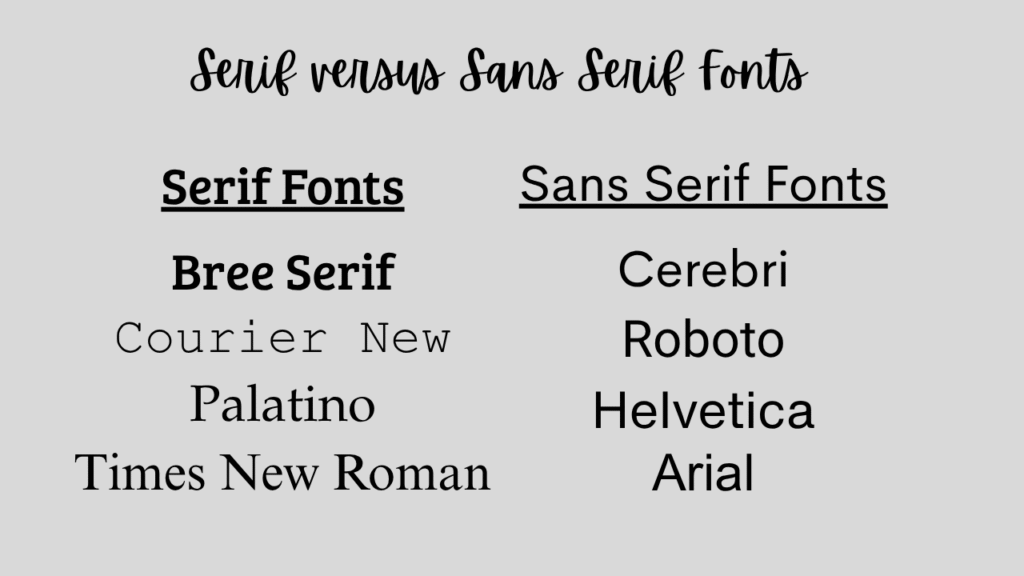
✍️ Pro Tip: A serif font has those little lines or feet on each letter (like a typewriter). A sans serif font is smoother and more modern (think Helvetica).
Most formatting tools like Vellum offer great options and a preview panel to test different looks. Just remember: be consistent throughout your book. No switching fonts halfway through!

Heading Placement and Layout

Once you’ve nailed down your font, you’ll need to decide how and where your headings live on the page:

  • Centered or Left-Aligned?
    Centered is classic and clean. Left-aligned can feel more modern and edgy.
  • Chapter Numbering Style
    Do you want “Chapter One,” “1,” or something quirky like “Act I: The Fall”? You get to decide!
  • Chapter Titles or POV Labels?
    If you’re writing a dual POV book (like Etta and Gina, which alternates perspectives), consider labeling chapters with the character’s name:
    → Chapter 3 – Etta
    → Chapter 4 – Gina

This helps your reader stay grounded, especially in romance or multi-character narratives.

Subheadings in Nonfiction? We Got You.

If you’re formatting nonfiction, subheadings are your best friend.

They:

  • Make your book skimmable
  • Guide the reader through complex ideas
  • Break up long walls of text

Use a style hierarchy like:

  • Heading 1: Chapter Title
  • Heading 2: Main Topic
  • Heading 3: Sub-topic

📋 Formatting Tip: Create a simple style sheet for yourself! Even if it’s just a Post-it or Notes app memo, jot down your font choices, heading sizes, and spacing. This will help keep things consistent—especially helpful if you’re formatting in Word or Google Docs.
Let’s Talk Flourishes (aka the Fun Stuff!)

Now for the sparkly part—flourishes! These are the visual decorations that make your print book stand out. Think of them as confetti sprinkled on the pages (just, you know, tastefully).

1. Scene Breaks

You know when your chapter has a time jump, POV switch, or location change? You don’t always need a full chapter break. Enter: the scene break!

Instead of using a boring row of asterisks, you can insert:

  • A cute swirl design
  • Stars ✨
  • A custom Canva-made image (like a vine, a spiral, or a moon phase)

Formatting programs like Vellum usually offer several built-in options, or let you upload your own custom flourish. Just make sure your image is sized correctly (they’ll tell you the specs).

2. Chapter Openers

Another place for a flourish? The beginning of your chapters!

You can:

  • Add a horizontal line or graphic under the chapter title
  • Use large drop caps or stylized first letters (e.g., “The quick brown fox…”)
  • Highlight the first few words in bold or caps for drama

Just keep in mind that some of these effects don’t always translate to eBooks. Flourishes are generally best appreciated in print format, so if you’re releasing both, test both layouts.

3. Text Messages in Modern Fiction

This one’s a little bonus tip! If your modern-day novel includes text messages, you’ve got some formatting choices to make.

You can:

  • Format them like regular dialogue with “she texted” tags
  • Use italics to differentiate them
  • Create actual text message bubbles (some formatting tools allow this!)
  • Use bold headers like:
    SOPHIE: hey are you coming over or nah?

The goal? Clarity and consistency. Whatever style you choose, stick with it so your readers don’t get confused.

Keep It Professional—but Playful

Here’s your guiding principle with headings and flourishes: subtle flair, not visual chaos.

Sprinkles of style are delightful. A full cupcake shop explosion? Not so much.

If you use flourishes on every single page, it might distract from your story. Instead, treat them like spices in a recipe—just enough to enhance flavor, not overpower it.

Style Sheet Reminder 📝

Create a style sheet—even if you’re using pro software like Vellum or Atticus.

Include:

  • Paragraph font
  • Heading font
  • Chapter heading alignment
  • Subheading sizes
  • Flourish choices (for scene breaks, chapter openers, etc.)
  • Any design elements you plan to use in print or eBook versions

This is your visual blueprint, and it makes revisions and consistency so much easier.

Final Thoughts: Formatting Is Your Book’s Vibe Check

Formatting isn’t just about margins and line spacing—it’s part of your reader’s experience.

It gives your book visual personality. It helps communicate your genre and tone before your reader even dives into the prose. And it shows that you, the author, took the time to create a professional, enjoyable product.

Even if you’re not a “design” person, headings and flourishes let you express creativity beyond the words. And the best part? You get to decide what fits your book.

Free Formatting Checklist 🎁

If this all feels a little overwhelming, I’ve got your back. Grab my free formatting checklist—it walks you through everything from front matter to font choices to finishing touches like… yep, headings and flourishes.

👉 Download the Free Formatting Checklist Here
Grab your free Indie Author Formatting Checklist here

Got Questions? Let’s Chat!

Drop your formatting questions in the comments—or message me if you’re stuck on fonts, flourishes, or first-page freakouts. I might even turn your question into a full video or blog post!

Happy formatting, and even happier writing!
best trim size for self-published print books

How to Pick the Perfect Trim Size for Your Print Book (with Examples!)

Posted on June 20, 2025June 20, 2025 by Jennifer Gregson

When you hear the word “trim size,” your first thought might be…a haircut? But in the world of self-publishing, trim size refers to the dimensions of your book—and it’s one of the most important decisions you’ll make when preparing your print edition.

📏 What is Trim Size?

Trim size is the final size of your printed book after it’s been trimmed during the binding process. It affects how your book feels in the reader’s hands, how it looks on the shelf, how many pages it has—and yes, even how much it costs to print.

Choosing your trim size early in the formatting process is key. It impacts the design, the page count, and even how your book will be priced through print-on-demand platforms.

📚 The 3 Most Popular Trim Sizes (with Examples)

Here are the most common trim sizes for fiction and nonfiction books:

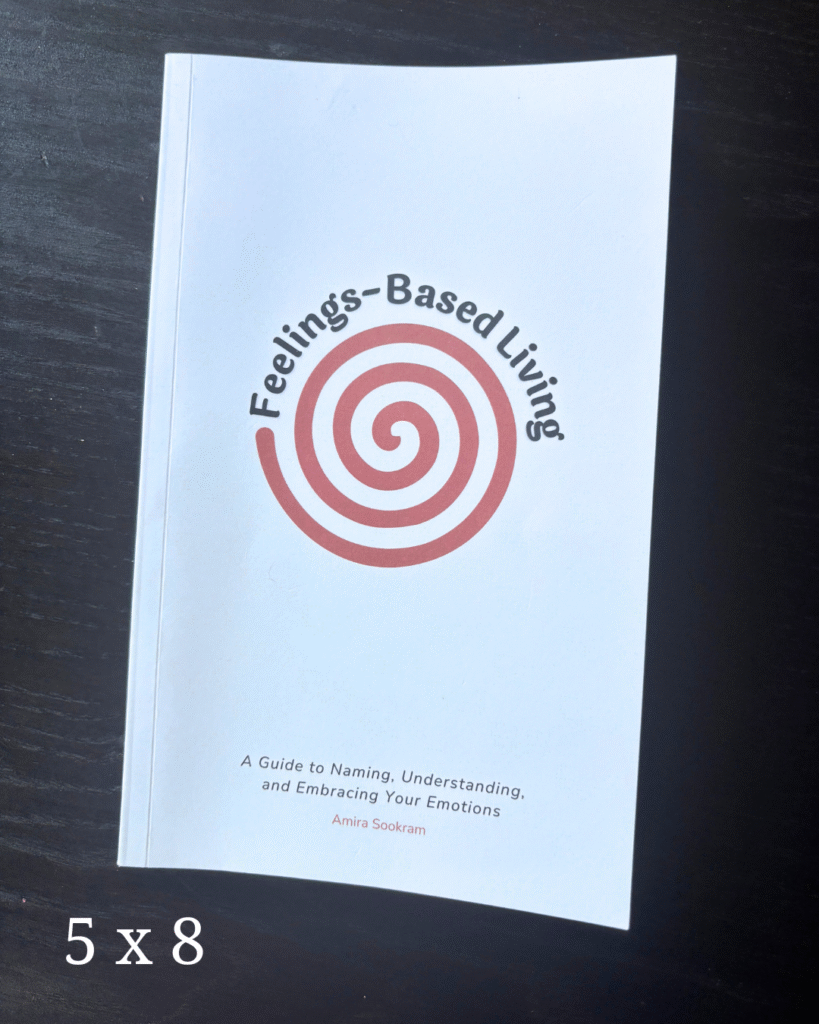
5” x 8”

Often referred to as a “pocket-size” novel. This trim size is great for:

  • Middle grade and early YA fiction
  • Nonfiction books under ~70,000 words
  • Cozy genres that benefit from a smaller, more portable format

It fits nicely in bags and feels “just right” for shorter, focused reads.

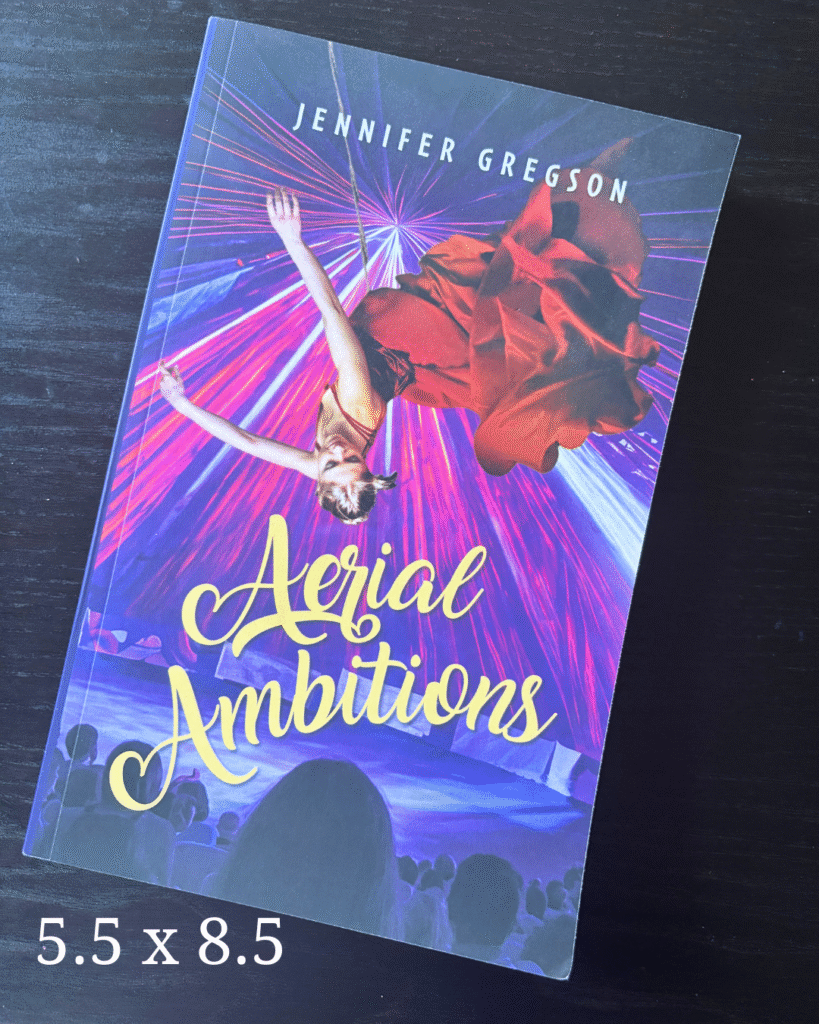
5.5” x 8.5”

This is my personal favorite—and the size I use for all of my YA novels.

It’s:

  • Perfect for young adult, women’s fiction, and general contemporary books
  • Visually pleasing with more room on the back cover for your blurb
  • A middle-of-the-road option for page count and cost

If you’re unsure, check the trim size of your favorite books in your genre—it’s likely many of them use this size.

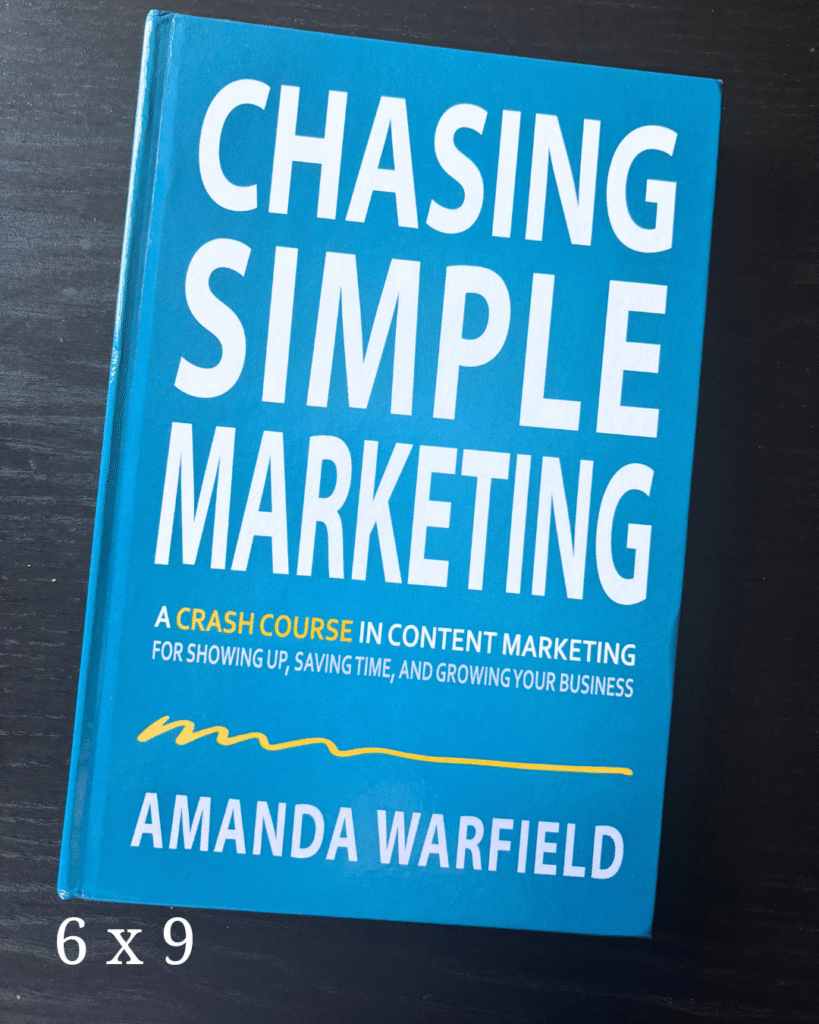
6” x 9”

A popular choice for:

  • Memoirs
  • Nonfiction with charts, diagrams, or room for note-taking
  • Fantasy or sci-fi novels that tend to run longer

This size is also ideal for hardcover versions of your book—it gives you space and a polished, professional feel.

🎨 Consider Genre & Aesthetic

Different genres often lean toward different trim sizes. Do a bit of research:

  • Visit your local bookstore and check what size books in your category use
  • Measure books you already own and love
  • Think about how you want readers to experience your book—is it cozy and portable or bold and immersive?

Also consider series consistency: if you’re planning a multi-book series, you probably want all the books to match on your shelf. Readers do notice!

💸 Trim Size Affects Cost

Print-on-demand pricing varies depending on trim size and page count. Larger trim sizes can increase printing costs—especially if you’re publishing in both paperback and hardcover.

For example:

  • A smaller book (like 5×8) typically costs less to produce
  • A larger trim size (like 6×9) may cost more but allow fewer total pages, which can balance the pricing

Always check the print pricing tools on Amazon KDP, IngramSpark, or your preferred POD platform before finalizing your choice.

✍️ When Should You Decide on Trim Size?

You don’t need to think about this during your first draft—but once you’re preparing for formatting (whether DIY or hiring help), trim size needs to be locked in. It affects layout templates, page setup, and even design choices.

🤔 What Trim Size Should You Choose?

Ask yourself:

  • What’s common in my genre?
  • How long is my book?
  • Do I want my series to have a uniform look?
  • What aesthetic am I going for?

I write YA coming-of-age fiction and use 5.5 x 8.5, but my upcoming urban fantasy might push me toward 6 x 9 for those longer word counts. I’ll decide once I’m closer to formatting!

📣 Let’s Chat

What trim size are you using? What genre do you write in? Have you found any surprising favorites while researching?

Drop a comment or send me a message! And if you’re stuck choosing or can’t find the info you need, I’d be happy to help.

Grab your free Indie Author Formatting Checklist here

The Hard Truths of Being an Indie Author (And Why It’s Still Worth It!)

Posted on March 28, 2025March 28, 2025 by Jennifer Gregson

Being an indie author is an incredible journey filled with creativity, freedom, and the ability to bring your stories to life exactly as you envision them. But let’s be real—it’s not all sunshine and rainbows. There are challenges, frustrations, and moments of doubt that many indie authors experience.

As someone who has independently published three books and is now working on my first urban fantasy series set in New York, I’ve learned some hard truths along the way. If you’re considering self-publishing or are already on the indie path, here are five realities you need to know.

1. You Are Your Own Marketing Team

One of the biggest differences between indie and traditional publishing is marketing. When you traditionally publish, a PR or marketing team supports you to some degree. As an indie author, everything is on you—creating graphics, finding opportunities, developing a strategy, learning social media, and managing a newsletter.

Marketing has been a struggle for me, and I know I’m not alone in that. But the good news? You can improve, find what works for you, and build a supportive community to help navigate the process.

2. Sales Are Unpredictable

In traditional publishing, authors receive an advance, meaning they get paid upfront. But in indie publishing, you only make money when your book sells. And sales can be unpredictable.

You might have a fantastic launch, sell a ton of books, and get great page reads, only for sales to drop dramatically a few months later. This up-and-down nature makes financial planning tricky, especially early on. But the key is consistency and adaptability—always looking for new ways to engage readers and market your books.

3. Impostor Syndrome Never Truly Disappears

Even after publishing multiple books, that little voice of doubt still creeps in. Would I feel more validated if I had an agent? If a publisher had chosen me?

The truth is, indie publishing is just as legitimate as traditional publishing. Over time, I’ve learned to acknowledge these feelings and move forward anyway. The key is reminding yourself why you chose this path and celebrating your wins, big and small.

4. Success Looks Different for Every Indie Author

Traditional publishing has clear markers of success: getting an agent, securing a book deal, hitting bestseller lists. Indie publishing? It’s more fluid.

When I published my first book, success meant selling just five copies. Now, it’s about building a solid marketing strategy, having a successful launch, and seeing readers connect with my stories. Define your own version of success—it will make the journey more rewarding.

5. Writing Is Not Always Fun (And That’s Okay)

Let’s be honest—writing isn’t always enjoyable. There are moments of frustration, doubt, and wanting to quit. The messy middle of a manuscript? The endless revisions? The cover design dilemmas? All real.

This is why having a supportive community is crucial. Surround yourself with fellow indie authors who understand the struggle and can help you through tough days. Writing may not always be easy, but it is worth it.

The Bottom Line: Indie Publishing Is Still Amazing

Despite the challenges, I wouldn’t trade my indie publishing journey for anything. I love the creative control, the ability to pivot quickly, and the deep connection with my readers. If you’re an indie author struggling with doubt, know that you’re not alone.

If you’re in a stuck place, drop a comment below or reach out on Instagram—I’d love to encourage you! Indie publishing may be tough, but it’s also an incredible adventure. Keep going, keep writing, and embrace the journey!


The Inspiration Behind Aerial Ambitions: Circus Dreams, Grief, and Harry Styles

Posted on February 28, 2025February 28, 2025 by Jennifer Gregson

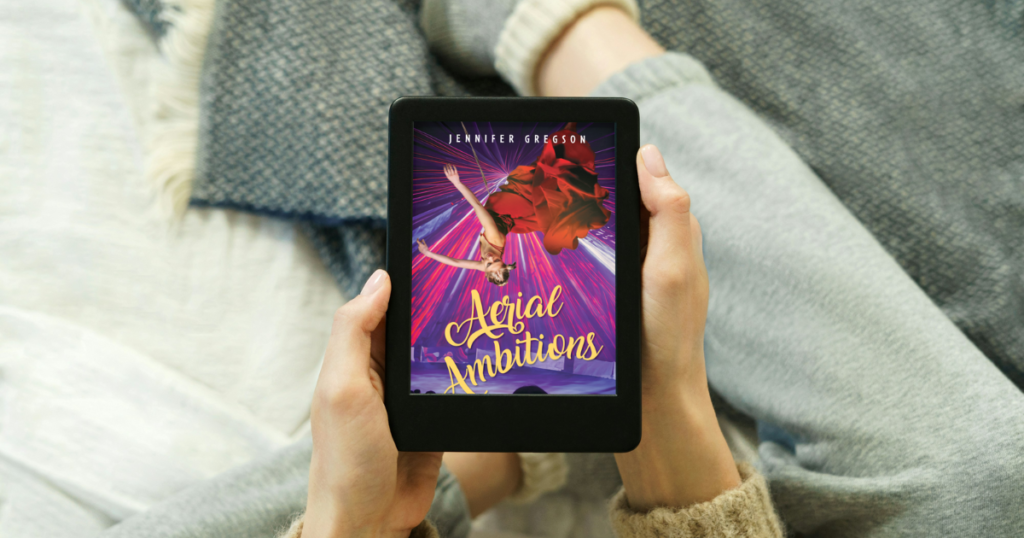
Every book has a story behind the story, and today, I want to share what inspired my third young adult novel, Aerial Ambitions. This book was on my heart for years before I had the chance to sit down and write it, and some of the inspiration behind it was expected—while one source completely surprised me!

A Love for the Circus

One of the biggest inspirations for Aerial Ambitions was, of course, the circus. My main character, Roz, comes from a family of traveling performers, but she leaves that small world behind to join a grand three-ring circus in Chicago.

My love for the circus started early. Growing up in St. Louis, my dad had a lot of friends who were Shriners, and every year, we’d go to the Shriners Circus. I was captivated by the spectacle, the daring stunts, and the larger-than-life performances. My brother was even part of a local circus when we were kids, and I still remember my mom helping him put on his clown makeup.

At one point, I auditioned to be the ringmaster at my performing arts elementary school, though I changed schools before I could actually do it. But the idea of commanding the center of the ring stuck with me, and it eventually found its way into Aerial Ambitions.

Personal Loss and Grief

While the circus theme was a fun and exciting part of the story, Aerial Ambitions also has deep emotional layers. From the beginning, I knew that Razi’s older brother would die—a pivotal event that shapes her journey. Originally, I wrote the scene where he dies attempting a dangerous motorcycle stunt, but in the final version, his death happens before the book even begins.

Though I haven’t lost a sibling to a fiery motorcycle accident, I have lost two siblings to cancer. Writing about grief in this novel meant pulling from my own experiences, using those emotions to make Roz’s pain and resilience feel real. She also lost her mother at a young age—something I haven’t experienced personally, but I channeled my own losses into her story.

A Love for the Spotlight

Beyond the circus itself, Roz’s desire to perform and chase the spotlight mirrors my own past. I have a degree in theater and spent years auditioning for Broadway and regional productions. While I never reached the heights of my Broadway dreams, I’ve always loved being on stage, performing, and captivating an audience.

That craving for the spotlight is a major driving force for Roz. She wants to see her name in lights above the circus tent, to be remembered as a legendary performer. To write her character, I pulled from my own memories—learning monologues, dreaming about seeing my name on a marquee, and the thrill of applause.

A Surprise Inspiration: Harry Styles

Now, for the unexpected source of inspiration—Harry’s House, the album by Harry Styles.

For some reason, that album became my writing soundtrack. I played it every single time I sat down to write or edit Aerial Ambitions, and now, whenever I hear a song from it, I immediately feel the urge to write. It’s like Pavlov’s dog, but for creativity!

I even thanked Harry Styles in the acknowledgments of my book because I truly don’t think I would have made it through the writing process without his music. If anyone out there knows him, let him know I’d gladly send him a copy!

Finding Your Own Inspiration

Writing a book isn’t always easy, and sometimes, the inspiration to keep going comes from unexpected places. For Aerial Ambitions, I drew from childhood memories, personal loss, and my theater background—but also from a pop album that just happened to click with my creative brain.

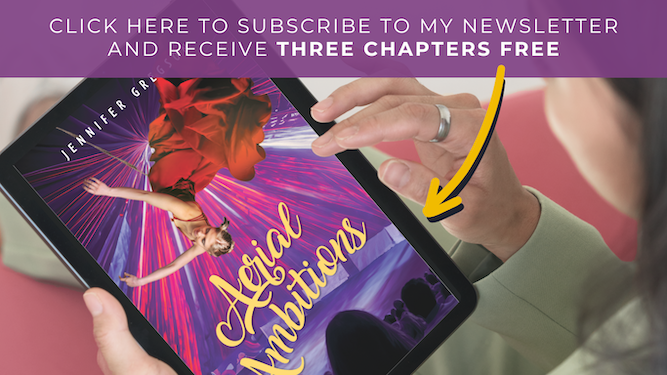
If you want to check out Aerial Ambitions, you can read the first three chapters for free when you join my newsletter or grab a copy on Amazon (available in Kindle Unlimited, ebook, and paperback).

What’s the strangest thing that has ever inspired you? Let me know in the comments—I’d love to hear your stories!

The Hardest Parts of Being an Indie Author (And How I’m Tackling Them)

Posted on February 17, 2025February 17, 2025 by Jennifer Gregson

Last week, I shared everything I’ve learned as a self-published author. This week, I want to take it a step further and talk about the hardest parts of being an indie author—because let’s be real, this journey isn’t easy. But just because something is hard doesn’t mean it’s impossible.


1. Marketing Feels… Weird?

For some reason, marketing is the hardest part of being an indie author for me. I always worry:

  • Will people even care?
  • What will people think?
  • Am I annoying people by talking about my books?

And yet, here I am, making videos and writing this blog post because I know the only way to push past fear is through action. Marketing is really just about connection—connecting with readers, fellow authors, and people who love books as much as I do.

To push through, I’ve been:
✔️ Learning new strategies (hello, Pinterest!)
✔️ Asking for advice in writing groups
✔️ Testing different approaches and adjusting when needed
✔️ Taking small weekly action to get me closer to my big goals

2. Talking About My Books is Harder Than Writing Them

I spend years writing a book—building the world, developing the characters, crafting the plot. And then when someone asks, “What’s your book about?” I freeze.

I have an elevator pitch, but it always feels awkward. (Imposter syndrome, anyone?) To get better at this, I’ve been:
✔️ Joining a weekly writer’s group where I introduce my book to new people
✔️ Practicing talking about my book in a casual, natural way
✔️ Reminding myself that readers do want to hear about it

3. Writing Sales Copy is a Struggle

If I have a hard time talking about my books, you can bet that writing about them in an engaging way isn’t much easier. Launch emails, book blurbs, social media captions—it all feels so tricky to get right.

To improve, I’ve started using AI tools as a jumping-off point. I don’t copy and paste—I tweak, rewrite, and make it mine. And with each launch, I feel like I’m getting better.

The Biggest Challenge? Fear & Imposter Syndrome

At the end of the day, all these struggles come back to fear—fear of failure, fear of judgment, fear that no one will care. But I remind myself that fear is just my brain trying to protect me. It’s not real.

I used to perform in musical theater, and right before stepping on stage, I’d get the jitters. But as soon as I was under the spotlight, the nerves disappeared. It’s the same with marketing, pitching, and putting myself out there. The fear fades once I take action.

So, here’s what I’m holding onto:

  • It’s okay to be awkward.
  • It’s okay to not be perfect.
  • It’s okay to mess up.

Because at the end of the day, I love being an indie author. I chose this path, and I’m still so happy I did.


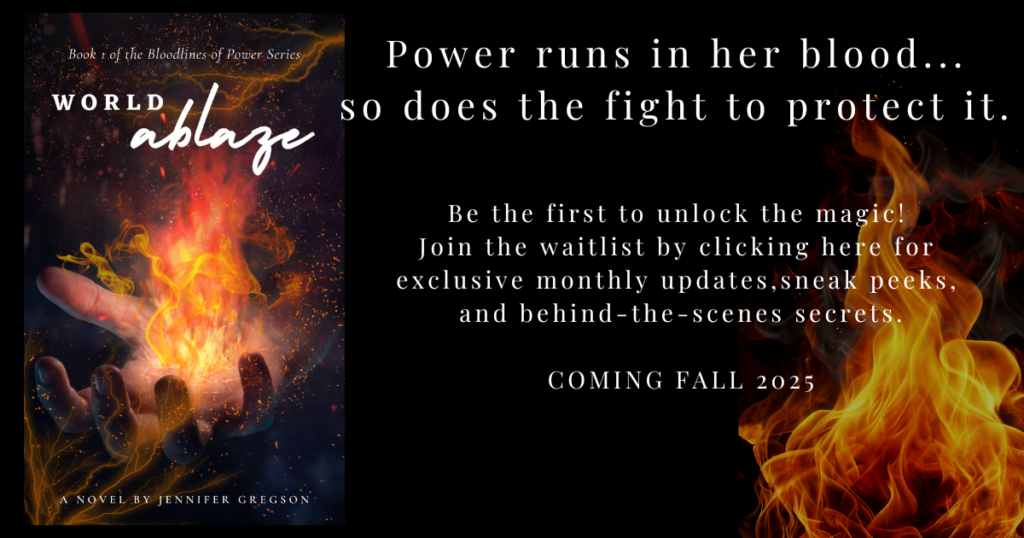
If you like to keep up with my writing journey as I create this new urban fantasy series, then join the waitlist for Book 1 – World Ablaze! I’ll be sending out monthly updates, secret behind the scenes look at characters, and more fun as I spend the next few years on this fun, magical adventure!

6 Things I’ve Learned as a YA Indie Author

Posted on February 10, 2025February 14, 2025 by Jennifer Gregson

I’ve been self-publishing since 2018, and in that time, I’ve worn all the hats—writing, marketing, formatting, working with cover designers, and everything in between. Being an indie author is exciting, challenging, and constantly evolving. Over the years, I’ve learned a lot, and today, I’m sharing six of the most valuable lessons from my journey.


1. Keywords and Categories Matter

When I published my first book, The Art of Lying, I chose keywords and categories that made sense to me—but they weren’t the best for discoverability. Later, I realized how crucial it is to use marketable keywords that readers actually search for. Thankfully, platforms like Amazon allow updates, but knowing the right keywords from the start can make a big difference in your book’s visibility.

2. Always Keep Learning

There’s so much information out there—courses, YouTube videos, books on indie publishing—and they’ve all helped me level up. My first book launch was trial and error, but by my second and third, I had learned strategies that improved my results. The publishing world is always changing, so staying curious and willing to learn is key.

3. Book Promotion Never Stops

One hard truth? Once you stop actively promoting your book, sales slow down (or stop completely). Yes, keywords help people discover your book, but you have to keep talking about it, engaging with readers, and keeping the momentum going. Still, every time I see a new Kindle Unlimited page read or book sale, I get that same thrill—it never gets old!

4. Your Newsletter is Gold

Social media platforms change, algorithms shift, and accounts can disappear (looking at you, TikTok bans). But your newsletter? That’s yours. I wish I had started building my email list before publishing my first book. Having a direct way to reach your readers—without relying on social media—is one of the smartest things you can do as an indie author.

5. Marketing is Trial and Error

What works for one author might not work for another. I’ve experimented with different platforms, strategies, and messaging. Some things flopped, others gained traction, but I’ve learned that marketing is all about testing, adjusting, and figuring out what works for you and your audience.

6. Being in Control is Both Exciting and Overwhelming

As an indie author, I get to make all the decisions—but I have to make all the decisions. From book covers to marketing plans, I have the final say. It’s empowering, but it can also be a lot. The key is to take it step by step, stay open to learning, and keep going.

Being an indie author is a journey, and I love that I get to share it with my readers. If you’re an aspiring author, I hope these lessons help you on your own path.

👉 Want to stay connected? Join my newsletter for exclusive updates, behind-the-scenes insights, and book news!

A Peek into My Writing Routine: Music, Tarot, and Rewards

Posted on February 5, 2025February 14, 2025 by Jennifer Gregson

Writing a book is both magical and messy, and every author has their own way of bringing words to life. Today, I’m sharing my exact writing routine—from the moment I sit down at my desk to the little rituals that keep me inspired.


1. Setting the Mood

Before I write a single word, I set up my space with a few must-haves:
✔️ A beverage (today, it’s water in my Minnie Mouse cup)
✔️ My outline, writer’s notebook, and a fancy pen
✔️ A tarot deck (more on this later!)

Music is also a huge part of my process. I usually pick a playlist on Amazon Music or Spotify. Sometimes it’s modern pop, and other times, I go straight for my comfort zone—the Harry Styles channel. His album Harry’s House practically carried me through the writing of Aerial Ambitions!

2. Getting into the Story

Once my setup is complete, I open Scrivener, my writing software, and read the last few lines of my manuscript. This helps me reconnect with the scene before diving in. I also scan my writing notes, checking for anything I need to remember—like character name changes or plot tweaks. I never edit while drafting, so if something needs fixing, I simply leave a note for my future self.

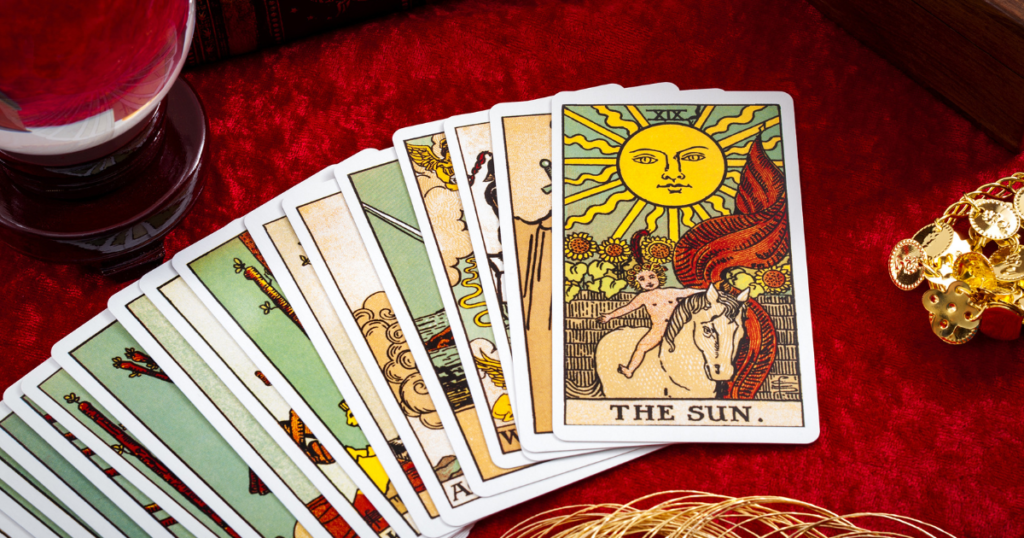
3. Using Tarot for Story Inspiration

One of my favorite writing tools? Tarot cards. I shuffle my deck, think about the scene I’m about to write, and pull a card. The symbolism often sparks new ideas or deepens my character’s motivations. For example, I recently pulled the Son of Pentacles (Knight of Pentacles), which is about taking action. Since my main character has earth-based elemental powers, this made me realize she could use her abilities to boost her confidence in a pivotal moment.

4. Choosing a Reward

Writing isn’t always easy, so I motivate myself with small rewards:
⭐ Writing for 10 minutes = A cup of tea and an episode of Gilmore Girls
⭐ Hitting 2,000 words = Time to scroll my favorite social media app or some yummy chocolate
⭐ Finishing a chapter = Telling a friend so she can cheer me on

5. Writing Time!

With my scene planned, my tarot card pulled, and my reward in mind, I dive into the words. Whether I’m writing solo or in a co-writing session, this routine keeps me focused and inspired.

What’s your writing ritual? Do you use tarot or music to spark creativity? Let’s chat in the comments!


Want more behind-the-scenes content about my upcoming urban fantasy series? Sign up for my newsletter below! As a bonus, you’ll get the first three chapters of Aerial Ambitions for free.

Overcoming Impostor Syndrome as a Writer: How to Keep Creating Despite Self-Doubt

Posted on February 3, 2025February 11, 2025 by Jennifer Gregson

If you’re an indie author, chances are you’ve asked yourself: Am I good enough? Will readers figure out I’m a fraud?

Impostor syndrome is something almost every writer experiences at some point. It can be paralyzing, making it difficult to sit down and do the work. But the good news? You can overcome it. Here’s how I deal with impostor syndrome and keep writing.


Acknowledge Your Fears

The first step in overcoming impostor syndrome as a writer is to acknowledge it. Ignoring or pushing it away won’t make it disappear—it’ll just creep up when you least expect it. Instead, try these methods:

  • Journal about it – Write down your fears and get them out of your head.
  • Talk it out – Share your thoughts with a trusted friend, spouse, or (better option) a therapist.
  • Personify your inner critic – Give it a name, have a conversation, and take away its power over you.

When you sit with your fears rather than fight them, you can process them and move forward.

Take Action to Counteract Fear

The best way to silence impostor syndrome? Take action. Fear thrives on inaction, but even small steps forward can help you break free.

1. Use Accountability Groups

Writing alongside others keeps you motivated. I have three accountability groups throughout the week where I write with other people. This method, often called “body doubling,” can be especially helpful for neurodivergent writers.

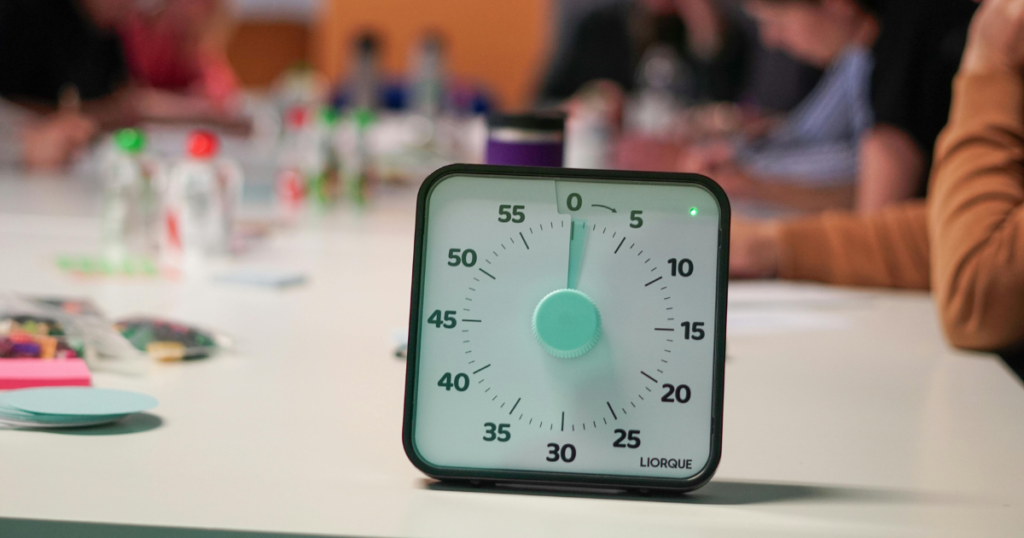
2. Set Timers for Short Writing Sessions

When fear stops me from writing, I set a five-minute timer. I tell myself I only need to write a few sentences, maybe just 25 words. This simple trick helps my brain relax, and I almost always end up writing more than I expected.

3. Focus on Your Why

Why did you start writing in the first place? For me, it’s the art of discovery. Even though I outline, I love when unexpected characters or plot twists appear in my drafts. That excitement keeps me coming back to the page. When impostor syndrome starts whispering doubts, remind yourself why you love to write.

Shift from External to Internal Motivation

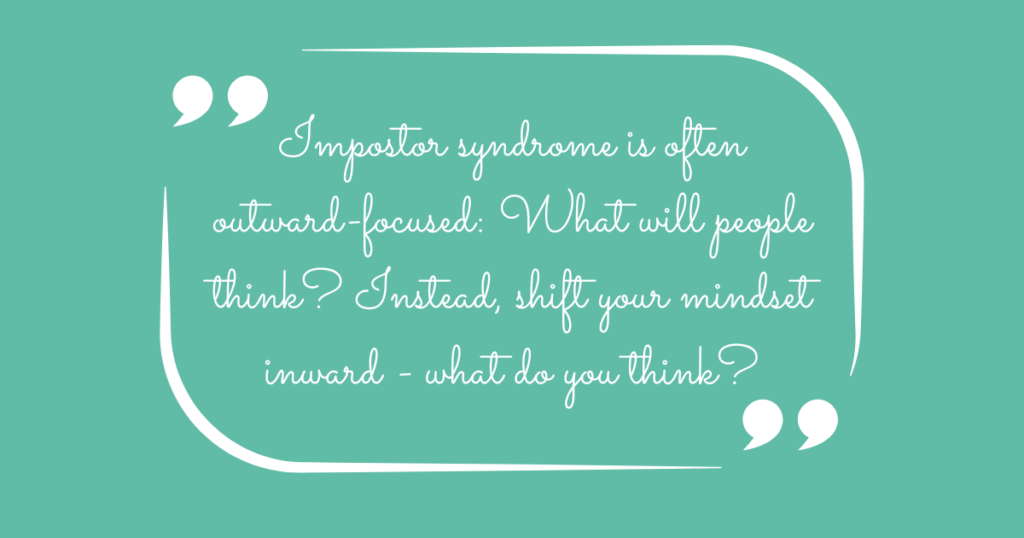
Impostor syndrome is often outward-focused: What will people think? Will they like my book? Instead, shift your mindset inward. During the drafting phase, allow yourself to be selfish. What excites you? What scenes make you eager to keep going? Make sure you keep your why somewhere you can see it before each writing session to remind you.

Later, during revisions, you can shift focus to your audience, but for now – give yourself permission to write for you first.


Final Thoughts

Overcoming impostor syndrome as a writer is an ongoing process. Some days, it’s louder than others. But by acknowledging your fears, taking small actions, and remembering your motivation, you can keep writing despite self-doubt.

If you have any questions or topics you’d like me to cover in future posts, drop them in the comments below. 

The Ultimate Writing Toolbox: My Favorite Analog & Digital Writing Tools

Posted on January 31, 2025February 11, 2025 by Jennifer Gregson

Whether you’re a new or seasoned writer, finding the right tools can help boost creativity and streamline your process. Let’s dive in!

My Go-To Analog Writing Tools

Sometimes, nothing beats the feel of pen and paper. Here are my top three must-haves for brainstorming and planning:

1. Spiral-Bound Notebooks

I stock up on these during back-to-school sales, but Amazon also has great deals. I use them for brainstorming, outlining, and keeping track of ideas. For my current urban fantasy series, I dedicated an entire notebook to jot down initial thoughts, asking myself what if questions to spark creativity, and for keeping track of character names and descriptions.

2. Index Cards

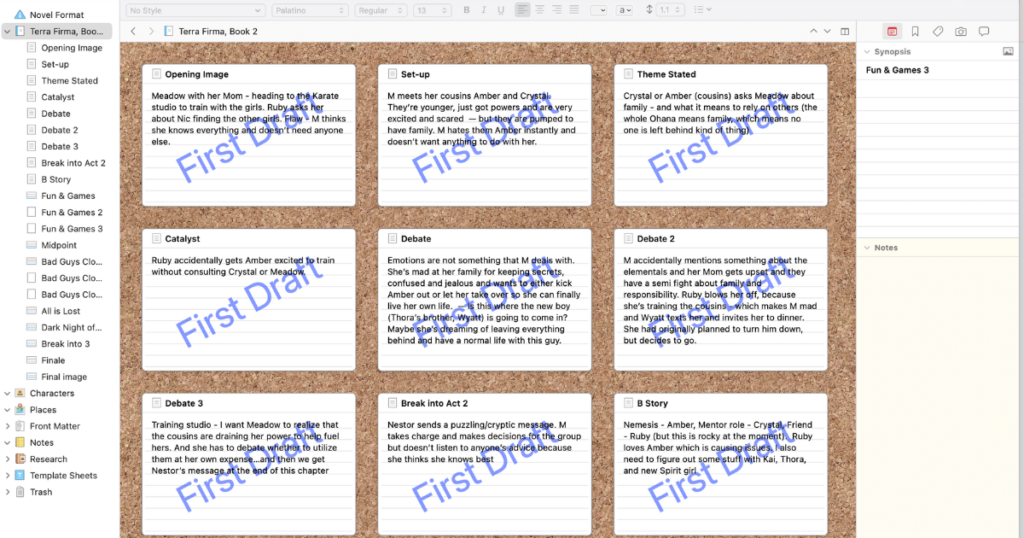
These are a lifesaver for outlining! I love that I can move them around, shuffle ideas, and visualize my story structure. Using different colors helps me track changes during revisions—sometimes I even highlight corners or use washi tape to categorize sections.

3. Tarot Cards

If you’ve been following me for a while, you know tarot is a big part of my writing process. I use it for character creation, conflict development, and even as a daily writing prompt. I’ll be sharing more about this in an upcoming post, so stay tuned!
My Favorite Digital Writing Tools

While I love analog tools, I also rely heavily on digital ones. Here are the writing programs I can’t live without:

1. Scrivener

I’ve been using Scrivener for years, transferring it across multiple laptops. The digital corkboard allows me to move my scenes around effortlessly, which is a game-changer compared to cut-and-paste in Google Docs. While Scrivener can be overwhelming at first, taking a course or reading a tutorial helps unlock its full potential.

2. Google Docs

Though I don’t draft in Google Docs, I am currently using it to create a series bible to track characters, settings, and major plot points across the five books I have planned. It’s free, accessible, and great for collaboration – I can share the file with my editor or beta readers easily and track comments across multiple people.

3. Amazon Music & Spotify

I have to have music to write – at this point, it’s non-negotiable. I love being able to choose playlists, radio stations, or whole albums on various music websites. It allows me to groove to the many genres I adore like 90s hip-hop, Broadway soundtracks, or modern day pop music. 

4. Vellum

This is a Mac-only software that I use to format my books beautifully for both print and digital publishing.  It’s pretty magical, since none of my books have images, I can format my entire novel in 2 days and have files ready for the eBookstores in a flash.

My Final Thoughts

At the end of the day, all I really need to write is my laptop. But my notebooks, index cards, and digital tools make the process smoother and more enjoyable.

I’d love to hear about your favorite writing tools! Share them in the comments or connect with me on Instagram.


How to Balance Writing as an Indie Author: Tips for Productivity and Flexibility

Posted on January 29, 2025February 14, 2025 by Jennifer Gregson

 As an indie author, one of the most common questions I get is, “How do you find the time to write?” Balancing writing with a day job, family responsibilities, and everything else life throws your way can feel overwhelming. Over the years, I’ve developed a system that works for me, and today I’m excited to share my formula for staying productive and consistent as a writer. 

1. Planning Is Key

The foundation of my writing routine is planning. I use two tools to keep my schedule organized:

    • Google Calendar: This helps me schedule everything digitally and sync with other commitments.

    • A Paper Planner: As someone who loves stickers and creativity, this adds a fun, tactile element to my planning.

Each week, I sit down and plan my schedule, including dedicated time for writing. My goal is to write at least three times a week, sometimes more if I can. I also prioritize flexibility, because life is chaotic and unpredictable.  For example, I’ll often plan a Monday writing session, but if Monday doesn’t work out, I move that session immediately to Tuesday in my Google calendar

2. The Power of Accountability

Accountability has been a game-changer in my writing journey. I rely on two consistent co-writing sessions every week:

    • Thursday Co-Writing with a Friend: This is a focused hour where we start by sharing our goals and then spend 50 minutes writing. These sessions are incredibly productive—just last week, I wrote 2,100 words in 50 minutes!

    • Friday Writing Group: This is a 90-minute session with fellow writers. We spend about 30 minutes chatting and problem-solving, followed by an hour of solid writing.

These sessions provide both structure and motivation. Writing alongside others, even virtually, creates a magical sense of focus and accountability.

3. Staying Flexible

Life happens, and flexibility is essential. While I rarely miss my Thursday and Friday writing sessions, I’m ready to adjust if a family member gets sick or a day job project comes up. If I miss my usual times, I’ll carve out time later in the evening or even on a weekend if I’m on a deadline.

When I do need to shift things around, I communicate with my family. For instance, I’ll let my husband and son know that I need an hour to write after dinner. This balance ensures that I meet my goals without sacrificing family time.

4. Setting Goals and Staying Motivated

Another critical piece of the puzzle is setting clear goals. I set yearly goals for my writing, breaking them down into monthly, weekly, and even daily tasks. For example, my current goal is to publish the first book in my urban fantasy series this fall and draft the second book while waiting for edits.

I also keep the bigger picture in mind: my dream is to publish all five books in the series within the next five years. Staying focused on this long-term vision helps me stay motivated and consistent, even on busy days.

Final Thoughts: Balancing Writing and Life as an Indie Author

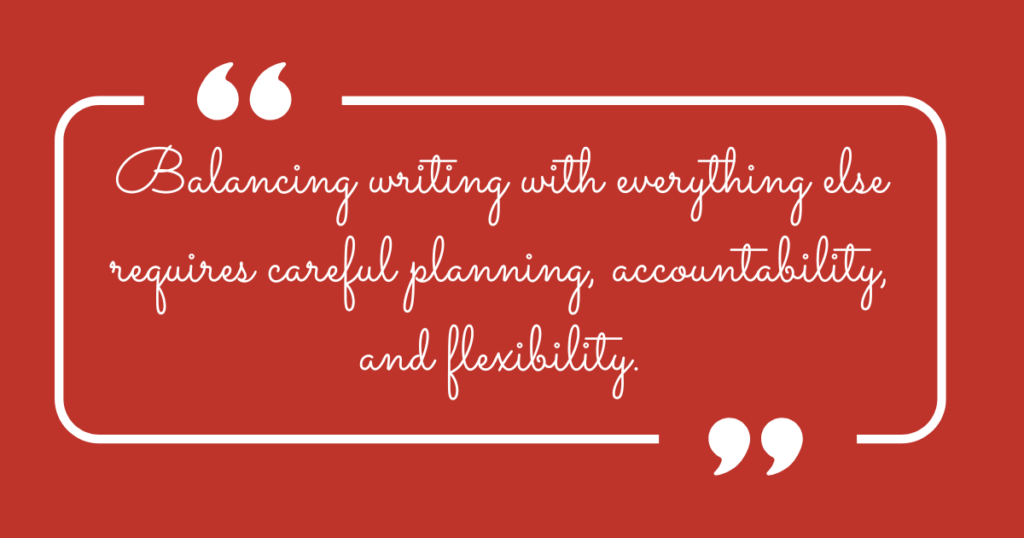
Balancing writing with everything else requires careful planning, accountability, and flexibility. By scheduling time to write, staying committed to accountability groups, and remaining adaptable when life throws curveballs, I’ve been able to make consistent progress on my books.

If you’re an aspiring writer and struggling to find time, I’d love to help! Drop a comment below, and let me know how I can support you in your writing journey.

And if you’d like to follow my writing progress, subscribe to my newsletter by clicking the image below – bonus, you’ll get the first three chapters of my latest young adult sweet romance novel, Aerial Ambitions, for free!

  • 1
  • 2
  • 3
  • 4
  • …
  • 10
  • Next
  • July 25, 2025 by Jennifer Gregson How to Use Headings and Flourishes in Book Formatting: A Fun Guide for Indie Authors
  • July 18, 2025 by Jennifer Gregson Book Formatting Terms Every Indie Author Should Know: Lingo 101 for Self-Publishing
  • July 18, 2025 by Jennifer Gregson Don’t Leave Your Reader Hanging: What to Include in the Back Matter of Your Self-Published Book
  • June 27, 2025 by Jennifer Gregson Front Matter 101: What Every Self-Published Author Needs Before Chapter One
  • June 20, 2025 by Jennifer Gregson How to Pick the Perfect Trim Size for Your Print Book (with Examples!)
© 2026 Jennifer Gregson | Powered by Minimalist Blog WordPress Theme