Jennifer Gregson

Young Adult Indie Author

Menu
  • Home
Menu

Tag: Writing

My Favorite Way To Come Up With New Ideas As A Writer

Posted on July 5, 2022 by Jennifer Gregson

I find that writers get stuck for a variety of reasons:


  • Lack of ideas
  • Lack of motivation
  • Getting stuck in their own head
  • Overthinking things
  • Worrying
  • Issues with their characters


The perfect writing tool to help with these issues will allow you to have more creative freedom, give you a new way of looking at things, and help you get out of your own head so you stop worrying or overthinking about things and help you get back on track, back in flow, and back to writing.


And most importantly, give you motivation even on your worst days.


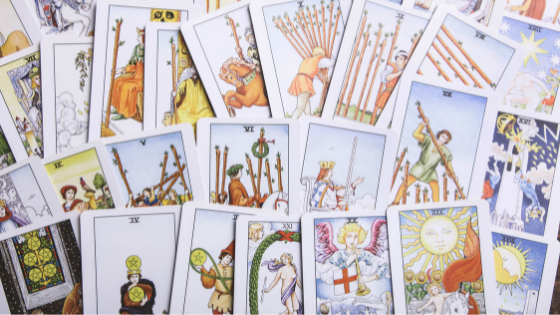
If you’ve been around for any length of time, you might guess that the magical tool I use and would love to introduce to you is – Tarot Cards!!


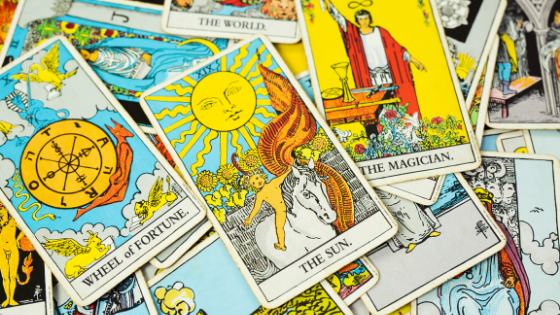
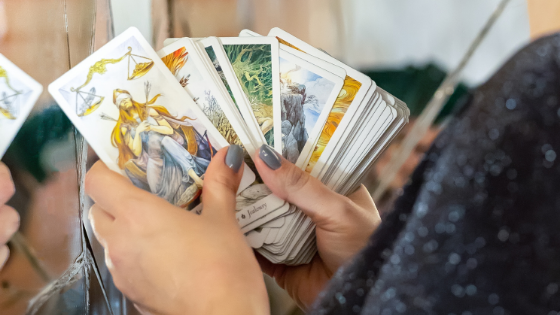
Some writers get scared when they hear the word Tarot, especially if they aren’t into that woo-woo stuff, but I’m here to tell you that you can view the cards as just beautiful imagery on cardboard. 


Those beautiful images help me unlock things deep in my psyche, they help me get past everyday life and my normal way of looking at things to get a new perspective, new ideas and new insight.  I use Tarot cards for pretty much every part of the writing process from creating characters to outlining and plot development to editing sessions and daily motivation, especially when I’d rather do anything other than sit in that chair and write. 

Watch the video above to see two examples where I show how I use Tarot to motivate me when I’m stuck in the muddy middle of a first draft and help give me some new ideas during an editing session.  


If you’ve never used Tarot as a writer, what questions do you have for me? Leave them below and I’ll make videos and blog posts for you!

4 Fears My Inner Editor Has Convinced Me I Have

Posted on May 11, 2022May 11, 2022 by Jennifer Gregson

…and how I have used Tarot to overcome them

Our inner editors can be very loud and can totally convince us that we have a range of fears from fear of success to fear of failure. But I think that if we learn to acknowledge and address these fears, we can overcome them with journaling and Tarot. 

In working with my clients, and in my own writing career, I have seen the same four fears come up over and over again. And they all stem from that loud inner editor. 

The fear of failure – This book is not gonna be a success. Why am I even bothering? 

The fear of success – Oh, this book’s gonna be great, but then I’m gonna have to write a second book…I can’t do that!

The fear of bad reviews – Just the thought of someone critiquing our books can cause us to completely shut down.

The fear of being “found out” as a fraud, otherwise known as imposter syndrome – Oh no, someone is going to come and take me away to fraud jail because I’m really not – insert thing here causing you panic.

I don’t believe these fears ever truly go away, but I do believe that if we work on acknowledging and working through them, we can quiet them down enough so we can take action and move forward toward our dreams.

That is a huge key to getting over writer’s block. 


What I would like you to do is grab a journal and answer these questions:

  • Which fear are you currently dealing with or which fear do you deal with most often?
  • How does this fear show up in your life? 
  • How does it stop you from writing and how does it affect your writing life in other ways? 


Once you’ve acknowledged the fear, keep journaling, let your mind wander and really get everything out about how this fear shows up and how it stops you from pursuing your dream.  
If you are dealing with a few fears, start with one and work through both exercises and then you can go back and do the same thing with another one – in fact, it might be super helpful to do these with all four fears, but let’s start with one. 

Once you’ve done the journaling work, the deep inner work, and you know which fear you are dealing with – let’s do something a little fun, a little different – a 3 card Tarot spread!

Grab your favorite deck, give it a shuffle and lay down the three cards – one for each of the following questions.  If you’d like to watch me go through this process in real time with my own fear, click the YouTube video above. 


Facing Your Fears Tarot Spread

  1. What is my fear trying to tell me?

  2. How can I face my fear with grace and acceptance?

  3. What’s one action I can take to move forward through the fear?


So that is what I would do first. I would acknowledge my fears by journaling first, and then I would work through the 3 card Tarot spread to deepen my knowledge or the fear and to come up with action steps through the fear.  

Because I really don’t think our fears ever truly go away. I think we just have layers of depth where we learn more and more about ourselves, more and more about the fear and why it’s coming up and how to effectively deal with it. BUT I do think doing this work quiets the fear so that it’s not so prevalent, it’s not so in your face, and you can then take the action steps needed to move forward toward your goal.

I would love to know if you try these, what came up for you or what action step you are now going to take, so leave a comment below.  

The form you have selected does not exist.

Kickstart Your Creativity Using Multiple Tarot Cards

Posted on May 3, 2022May 3, 2022 by Jennifer Gregson

Let’s say you’ve been dabbling with using Tarot cards for your writing and you’ve been pulling one card at a time – great!!  Looking at one card can help you gain insight, get you out of your own head, and spark ideas but by adding a second (or even third) card, you can take your writing from pretty awesome to freaking amazing! 


Look at each card individually first

Grab your favorite Tarot deck, shuffle and pull one card at random.  Spend some time looking at that card and see what comes up for you.  Look at the background, foreground, what the “character” of the card is doing, colors, animals, etc. Note or write down everything you can think of.

Now, pull the next card and do the same thing.  Spend some time and note all the things about this card as it stands without thinking about the first card.  Again, look at the background, the foreground, and the character.  Write it all down. 

Watch the video below to see real world examples using one of my favorite Tarot decks for creative writing.

Look at the cards together

Here’s where the magic comes in.  Put the two cards together and start looking at what’s the same about each card.  Do they both have water elements? Are there similar colors? Does each card have animals? Are they both in the same suit? Is the character facing the same direction? Anything and everything that’s the same gets noticed first.

Then take note of what’s different.  Is one card more warm tones while the 2nd card is more cool tones? Does one have lots of animals while the other is pretty barren? You can notice anything that catches your eye that’s different about the cards.

You can then assign meaning to those things based on your writing style or genre or just what strikes your fancy.  If you’re trying to get help writing a scene, let that guide you to what’s more important.  Like I tell people, there is no wrong answer – there is just YOUR answer.  So write everything down and start connecting the dots.


Have fun

Here’s where the fun comes in – start writing by putting them into a scene together.  They can be attending the same party, waiting for the bus, be co-workers, sitting at a bar – seriously the sky’s the limit here.  Pick something that works for your genre or a setting you like and start from there.  You can type all of this, handwrite, or turn on your phone and record yourself and then get it transcribed or type it up later.

OR another fun writing activity is to start the action on one card and finish it on the other.  For example, let’s say you pulled a Queen and a King card.  You could start with whatever’s happening  


Try adding more cards

This is something you can do with multiple cards as well.  Just follow the same steps – look at each card individually, then look at them together – what’s the same, what’s different, and then group them together and start writing! 


Things to think about

If you pull a card that doesn’t have a person or character on it, can you still use the card?  Sure, just use elements from the card to either create a character or add to the scene – you can combine the elements of both cards to create one perfect setting, one weird character, or one conflict that you can then use.  

It’s usually helpful, before you start, to decide if you want to write a scene, create a character, or if you just need some inspiration to get around writer’s block.  It’s helpful, but not needed if you just want to have some fun and see what comes up for you – again, there is no wrong answer, there is only YOUR answer and your answer is beautiful – and so are you!

Did you find this helpful? You might enjoy my signature course, Turn on the Tap, happening this June – so join the waitlist by clicking here to find out more ways to use Tarot with your writing, especially for ways to deal with and get unstuck if you are dealing with writer’s block.

The form you have selected does not exist.

4 Creative Ways To Name The Characters In Your Next Novel

Posted on December 22, 2021December 20, 2021 by Jennifer Gregson


Anyone can grab the baby name book off the bookshelf, or use any of the apps available, but I think there are more fun and creative ways to come up with character names. 


Start with the time period and country your book is set

If you’re writing from a book set in the United States in the 1980’s you are going to come up with very different names than if you’re writing about Japan in the 1800’s.  My name, Jennifer, was extremely popular in the late 1970’s, especially in the midwest, versus what’s popular name in baby names so make sure you keep these things in mind before you jump into books, apps, or your own imagination. 


Think about the main theme of your book

Let’s say you are writing a Young Adult romance novel with the theme of love conquers all.  I would use that word – love – and search for names that mean love.  Then I would brainstorm other words that make you think of love.  Romance, roses, chocolate and use those to help search for names. 

What chocolate brands are out there? Can they be used for last names? 

What rose varietals are there? Can they be used for last names?


Use movie and TV credits

Speaking of last names, one of my most fun tips is to use movie and TV credits to borrow/steal actual real names.  This works extremely well if you’re writing a story set in another country.  Find a movie on Netflix or Amazon from that country and use the credits to grab names.  Note: I would google the meaning just in case it comes up as something weird or contradictory to your book’s theme.   

Use Tarot cards

Who didn’t see this coming? I like to shuffle my deck, pull a single card, and concentrate on something small – like a river, a flower, or a city scape in the background – and just brainstorm all the possible names that come up for me.

For example, with a river, I might think of the character River Song from Doctor Who, who is played by the amazing Alex Kingston. Or my favorite flower is the Sunflower, so a nickname for my character might be Sunny.  City names were really popular for awhile so you might have an Austin or Brooklyn or London.

This can be used in many ways, so pull cards and have fun with this process!


Which one of these tips was your favorite? Which one are you going to try? I would love to know, so share in the comments below. 

And if you loved this, then I think you would especially like my free training – Novel Narrator: Creating Your Book’s Characters in 30 Minutes Using Tarot – which you can grab here.  


The form you have selected does not exist.

6 Questions To Get You Unstuck & Writing Quick

Posted on December 8, 2021December 5, 2021 by Jennifer Gregson

Experiencing writer’s block can cause you to feel all kinds of emotions from shame to guilt to anger and back again. If you are dealing with writer’s block and you’re afraid you’ll never write again, I have six questions that can help you get unstuck and back to writing again. 

Note, if you’re like me and you love using Tarot, you can turn these into a spread by putting the first three questions on top and the second three questions on the bottom.  Otherwise, grab your favorite journal and let’s get journaling!

Q1: What excites you about your current project?

Think back to when you first had the idea or when you first started writing. Jot down all the things that excited you – was it the character? Was it the conflict? The theme? 


Q2: What scares you about your current project? 

Are you worried that you’re not ready to write this book? Are you writing a new genre or trying something new with your writing? Just write down all the stuff that might be holding you back. 


Q3: Why do you think you’re having writer’s block? 

Honestly, I think deep down we know why we’re stuck. We don’t want to admit it to anybody else, or ourselves. So, take a deep breath and let the words flow. Don’t judge yourself – just get it all out and down on paper. It will seem less scary.


Q4: What is the block trying to tell you? 

The block might actually be there to teach you something. Do you need to slow down and figure something out? Are your character’s not talking to you so you need to deal with them a little bit?  Write down what you think might be causing the issue. 


Q5: What do you need to know to bust through that block? 

So what came up in the previous question that you can now deal with? Do you need to stop and interview your characters again? Do you need to slow down and go through your outline? Do you need to research something so you can continue writing?


Q6: What is one creative solution that you can use to bust through the block? 

Now comes the fun part. Brainstorm some creative ways that you can bust through the block. Maybe you need to walk and talk, right? Get an app on your smartphone that allows you to dictate your words so that you can walk around your neighborhood or walk around your house. That’s one idea, come up with a bunch and then choose just ONE to start with. 


I would love to know what your one creative solution was, so please let me know in the comments below, and know that Writer’s Block happens to the best of us, but with these six questions you should be back to the keyboard in no time.

Adding Depth To Characters

How To Add Depth To Your Characters

Posted on November 2, 2021November 2, 2021 by Jennifer Gregson

Creating characters that make readers fall in love takes time and many, many layers of development.

If you’ve taken my free training, Novel Narrator, and used Tarot to create your characters then you have an amazing character but to take that character and add some depth, we need to do a few more things.


What is my motivation?

Yes, this is a terrible actor cliche, but it’s true! Your character needs something to motivate them to do things in your book.  What do they truly want and what do they need by the end of their arc? This is usually two different things too, which can be confusing.  Let’s say your character wants to find the murderer – that is what is motivating them to take on the case.  But what they need is to have closure around their own father’s murder from twenty years ago – that will help them grow and evolve.  


Flaws make for real humans

I know we don’t like to look at our own flaws, be we all have them. From little quirks to big things we would like to change (or maybe we love them and others wish we would change) we have character flaws. These help your fictional characters feel like actual humans, people that your readers can root for and feel connected to. I like to use Tarot cards to help me find these, but you can also look toward friends or family and just tweak it a little.  For example, say your friend is always late, like annoyingly so.  To change it up a bit, maybe your character can always be early.  What would that do to your novel and the people your character has to interact with?


Friends and Enemies

Another layer to add on to these characters we are creating is how they act around other people.  Do they have quirks or coping mechanisms when they are around their parents? Do they have friends that bring out things they would rather hide about themselves? Are they putting on masks around anyone?  We all tend to do this, but it can be tricky to see, but adding this element to our novels takes our characters from blah to holy crap, I totally relate!


Using Tarot

Like I teach in Novel Narrator, I love to use Tarot to help me with all these layers.  If you used 1-2 cards to create your character, get them out and place them on the table.  Then shuffle your deck and add 3 more cards to help you add depth and layers by assigning one card per issue above – you can choose which card goes with which layer.

Choose your card, grab your notebook or open your document and start writing down all the ideas you get.  Remember – look at the background and foreground, use the colors of the cards, and think about what happened right before and after the card’s images.


If you haven’t taken my free character creation training, sign up below!!

The form you have selected does not exist.

First Draft Problems

Posted on June 3, 2021June 3, 2021 by Jennifer Gregson

7 problems that authors might face when writing a first draft

Writing a first draft can be exciting and fun, but there are also some pitfalls that might cause an author to rethink the whole thing.  I know that I start out with hope, optimism and lots of energy when writing my own first drafts, but  I also know how many pitfalls are out there.

Beginnings

Let’s start at the very top.  Sometimes, we just don’t know where to start, even if we have a solid outline.  Do we start mid-conversation? Do we start with action? Do we start with our character alone or with others? It can be very confusing.  My advice? Don’t try to make it perfect.  If you get hung up right at the beginning, you might never start.  You can always fix things in the editing stage, but you can only fix words on paper.

Middles

Okay, you didn’t have any issues with the beginning, but now you’re smack in the middle of your outline and the pacing feels slow and the newness of the project is long gone.  You’re getting bored and feeling less excitement over all.  You might need a break! Step away for a day or two – not too long that you get out of the habit of writing, but long enough that you get to fill up your creative well in other ways.  Watch your favorite movies, read a new book, or just do something completely unrelated to your project and get some rest.

Endings

You are moving and grooving and you are near the end of your outline, and just like the beginning you have no idea how to end this thing.  Do you use the circle method and mirror your beginning? Do you leave on a cliffhanger? Set up your second book? You are confused, frustrated and ready to just chuck the whole thing in a drawer.  Stop! Don’t do that, please.  Again – don’t worry about being perfect – you can fix a bad ending later.  It’s better to get over the finish line and start the next part of the process rather than totally abandoning your project.  

For extra help, if you have any of the above issues – I suggest pulling 1-3 Tarot cards. The cards can give you insight into your character’s motivations and the best way to move forward when you feel stuck. 

Characters

Speaking of characters, we all know they can cause havoc by doing their own thing and by not talking to us.  We also might run into having under developed characters, where we have to stop and fix things we’ve missed or work on deepening their backstory.  If this is you, may I suggest my free training – Novel Narrator – creating your book’s characters in 30 minutes using Tarot. It’s an easy, fun, and quick way to create compelling characters for your books!

Plot bunnies

Bunnies are cute and all, but not if they are leading us away from our outlines.  You know that feeling, you have written pages and pages only to realize that you are so far from your original plot that you can’t even tell where you are anymore.  First, decide if the new idea is worth exploring. If it is, take some time to redo your outline to make the new idea work.  If it’s not working, then start writing from where you want to be and work backwards to make things fit.  I’m not going to lie, these things can cause us to lose time and make a little more work, but in the long run it’s better to stop and fix now then have to comb through all that junk later.

Losing motivation

Writing a book isn’t easy – as we’ve seen from the issues above.  You can easily lose motivation, feel lonely, and start to hate sitting down at your computer.  I suggest scheduling breaks throughout your writing schedule so you can fill your well, connect with other writers online, and give your brain some space. In addition to breaks, I also suggest creating mini goals and having rewards for reaching milestones.  Did you finish half of your first draft? Great – celebrate by getting your nails done, calling an old friend, or having a fancy coffee at your favorite coffeehouse.  These will keep you motivated to keep going and keep writing fun!

Time Management

If you don’t schedule in breaks and mini celebrations, you might start feeling burnt out and stressed.  To keep from cramming too much into your day, try writing down your due date and work backwards so you can have breaks, space, and time to write.  Trying to do too much at once only leads to heartbreak, sickness, and crankiness – trust me, ask those you live with what it’s like when you’re on deadline and you still have way too much to do? It’s probably not going to be a nice answer.  To keep that from happening, plan for all contingencies and add in extra buffer time so you can have space for emergencies. If you don’t need them – great, more time to celebrate and rest.

Which of these problems have plagued you during writing your first drafts? Which one of my suggestions will you be trying first? I’d love to know below.

The form you have selected does not exist.

How To Use Tarot Cards to Brainstorm New Ideas

Posted on May 3, 2021May 3, 2021 by Jennifer Gregson

Using Tarot cards to come up with ideas is one of my favorite ways to use the cards and it’s a fairly easy process.

Decide what you need ideas for

Are you writing a YA novel, a series of Science Fiction books, or blog posts? Seriously, this concept can be used for just about any kind of writing or anything you need ideas for but having some direction will help you narrow down ideas during brainstorming.

Grab your trusty deck

While shuffling your cards, think about what you need ideas for.  Not just what you came up with in number one above, but also specifics. For example, I want ideas for a new YA novel that includes a Mother-Daughter relationship. This helps get your intuition and your cards on the same page. 

Pull cards

Once you feel comfortable, stop shuffling and start pulling your cards – however you like.  You can cut the deck or pull from the top.  You can fan the cards on the table and randomly pull or create a “spread” of sorts.  You can pull one card at a time or flip up two or three at a time.  There is no wrong way to do this part! 

Start brainstorming

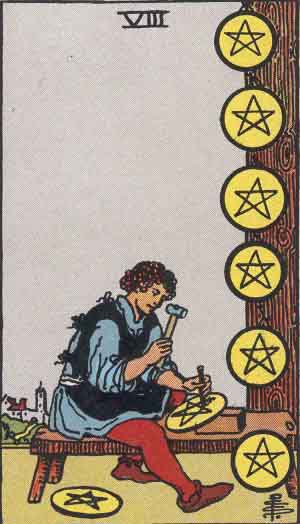
Now it’s time to start looking at the card or cars and write down any and all pings that come to you right away. For example, say you need ideas for blog posts and you pull the 8 of pentacles – the first thing you might think of is skill versus mastery which makes you think of a conversation you had with a friend about whether writing can be taught.  Boom, idea number one! Write it down and keep going.  If you need to set a timer, do that.  If you know you have time, then relax and enjoy the process.  

Keep going!

Keep pulling cards and writing down ideas. It’s really that simple.  But for some extra help – look at the people in the cards, what are they doing? Look at the background and the foreground – sometimes I get random ideas based on boats, hills, mountains, and cities.   Look at the colors in the card for inspiration.  And if nothing else works, how do you feel when you look at the card? Does it remind you of anyone? Or a situation you’ve been in before?

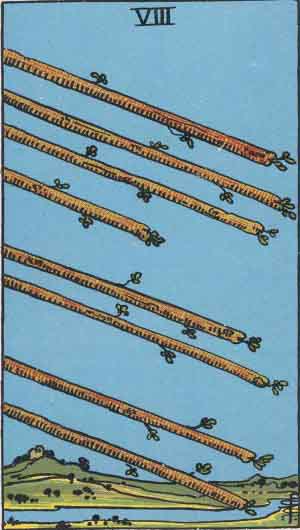
Here’s one more example, let’s say you want to write a romance novel and you pull the 8 of Wands.  What are you going to do with that? It’s just some wands flying through the air. Well, maybe you think of air travel – your couple could meet on a plane or in the airport, or maybe they’re saying goodbye because they’re going to do long distance. 

The card is also about communication so maybe there’s some miscommunication and your new lovers meet at the wrong movie theatre. While at the wrong one, your heroine starts talking to a young man waiting for his friends and BOOM – love triangle and conflict can start.  

Have you ever used Tarot cards to help you brainstorm new ideas?

4 Tips To Get Your Characters Talking To You Again

Posted on March 1, 2021November 2, 2021 by Jennifer Gregson
Getting characters to talk to you

Has this ever happened to you? You are writing your draft, words are flowing and then one day your characters just stop talking to you?  You know what I’m talking about – words stop, dialogue sounds wrong, characters are doing things that are not in your outline.  What is going on?

We all know that characters have a mind of their own sometimes and that can mean they stop talking to us which can cause us to stop writing all together which is not great for getting that draft finished is it?  In fact, it’s downright frustrating!

I have a few things that might work…try a few and see what works best for you.

Visualize Your Characters

I like to grab my favorite Tarot deck and either grab the card I used to create my character in the first place or choose one that I think represents them now. OR if you’d rather have a real picture, head to Pinterest and find an image that looks like the character you have in your head.  Now you have something to look at, something to talk to, someone you can keep in your mind while you are writing.

Journal

Another helpful exercise I like to do when I’m feeling blah with my characters is journal as if I am them. Would your character type or handwrite their diary entry? Purple pen or blue ink? Flowery language and doodles or bullet journal style? This can get you back into the mind of your characters pretty fast.  If you are stuck on a particular scene, then use that to fuel what you journal about.  If you’re just kind of stuck in general, then start having your character talk about another character in the book and then flip flop and do the same thing with the other character. Very eye opening and will help unlock lots of stuff you might not have thought about originally.

Interview Them

Very similar to the journal exercise, think of some questions you could ask your characters and then interview them.  This is where I love to have to have an image to look up so I’m talking to someone or some representation of them.  You can do this via writing, you can record yourself on your phone using voice memo or video yourself and use different voices for your characters – this might just be the ex-actor in me – but it can be fun to “play” as if you are them for a while.

Role Play

Adding on to the interview – act out a scene from your book being all the characters.  Like a crazy one man play – run around your living room acting out a scene or chapter – either one you’ve already written or the one you are stuck on. Keep a notebook close so you can take notes or film yourself and watch it back later so you can write down what you said. It can be silly, fun, and get your creative juices flowing quickly.

Which one are you thinking of trying first?  Let me know how it goes.

And if you need some help creating characters, download my free training Novel Narrator: Easily Create Your Book’s Characters in 30 Minutes using Tarot here or by signing up below.

The form you have selected does not exist.

How Asking the Right Type of Questions During a Tarot Reading Puts You In The Driver’s Seat

Posted on February 1, 2021January 29, 2021 by Jennifer Gregson

Have you ever had a Tarot reading done? How about a reading specifically for your writing career? 

I am so happy to announce that I’m now offering two options for Tarot Readings for Writers!!  30 minute written readings and 60 minute live Zoom readings. To check these out, click here and book an appointment.  I can’t wait to meet you!!

Now that you’ve booked an appointment with me, let’s talk about asking the right type of questions.

What would be a bad question?

Well, for starters…anything that can be answered with a simple Yes or No.  They can work but if you’re going to pay me, let’s get some juicy stuff going. Save those easy, quick type questions for your own personal deck and your morning coffee time. 

Also, I can read on your love life, but I’d really rather concentrate on you, your book projects, and any fears or mindset shifts that YOU need to take to further your career.  

What makes a good question?

Something open-ended, that concentrates on YOU and what you can control. For example, don’t ask – Will “amazing agent” sign me as a client this month?  That’s totally out of your control, unfortunately.  But you could instead ask – What can I do to attract the right agent?  It’s a subtle shift, but one that puts the control back on YOU, which is really what tarot is best at – giving you the answers to help you create the life you want. 

Here are some other ways to start really good, juicy, in depth tarot question starters – just fill in the rest with your main problem or issue and reword it to make sense.  Also note, if we’re doing a live Zoom reading, I can totally help you decide how to word your question for the most effective Tarot answer.

Tarot Question Starter Prompts

What is coming into my consciousness about…

How can I discover…

What do I need to know to decide…

How am I presently living in alignment with…

How am I presently living out of alignment with…

What’s blocking me from…

What will bring me closer to…

What do I need to focus on for X to happen?

Let’s Try an Example

Ok, you want to know which idea or book project you should focus on next. 

You could ask – What do I need to know to decide between my Sci Fi idea and my Fantasy idea.  

Now, I might ask you a little bit about each project as I shuffle the cards, and then lay out 1-3 cards per idea or choice to help you make the most informed decision about which idea is best for right now.  

Asking this open ended type question gets you a much deeper, richer reading than just asking –  Which book project should I focus on next? This is asking the cards to make the choice for you, but what you really need is more information so you can make the decision with a clear head, open heart, and alignment with the universe.  Juicy stuff!

The BIG thing about asking the right type of questions for a Tarot reading is making sure it empowers you to take action. That’s why I like open-ended questions that focus on YOU and what you need to know. It gives you next steps and things to work on or think about so you can be in the driver’s seat of your own destiny.

If you ask when will that agent call or sign me? Well, to be honest, I have no idea because I don’t know what you’re doing to help the universe offer you that agent’s call. But if you ask what’s blocking me from getting an agent right now? I can ask the cards for guideposts to help offer you things that you can do.  Things that you can work on and fix so you are in a better position for the universe to offer you the agent. See the difference?

Have you ever had a Tarot Reading done?

If you’re interested, you can click here and book one with me.  I’m offering 30 minute written readings and 60 minute live Zoom calls.  If you have any questions, drop them below and I’ll be sure to answer them. 
The form you have selected does not exist.

  • Previous
  • 1
  • 2
  • 3
  • 4
  • Next
  • July 25, 2025 by Jennifer Gregson How to Use Headings and Flourishes in Book Formatting: A Fun Guide for Indie Authors
  • July 18, 2025 by Jennifer Gregson Book Formatting Terms Every Indie Author Should Know: Lingo 101 for Self-Publishing
  • July 18, 2025 by Jennifer Gregson Don’t Leave Your Reader Hanging: What to Include in the Back Matter of Your Self-Published Book
  • June 27, 2025 by Jennifer Gregson Front Matter 101: What Every Self-Published Author Needs Before Chapter One
  • June 20, 2025 by Jennifer Gregson How to Pick the Perfect Trim Size for Your Print Book (with Examples!)
© 2026 Jennifer Gregson | Powered by Minimalist Blog WordPress Theme