Jennifer Gregson

Young Adult Indie Author

Menu
  • Home
Menu

Category: Fiction

Lessons I Learned Publishing My First Novel

Posted on June 28, 2021 by Jennifer Gregson

I thought I knew so much when I pushed publish on my first novel, but whoo boy was I wrong!   Here are five lessons that I learned during the self-publishing process that I went through with my very first novel. 

Negative reviews will hurt

My advice – find someone you trust to read the reviews for you and give you only the things that will help make your books better.  Sometimes, people give amazing constructive criticism in their reviews, but more often than not they are just petty, mean, and downright frustrating so it’s best not to read them. This is harder than it sounds, I know, but trust me….they hurt and they linger in your self-consciousness, cropping up when you go to write your next book.

You will feel different, but not that different

Yes, being a published author and having someone buy your book off Amazon or Barnes & Nobles feels amazing!!  You will feel accomplished, proud, and high on life, but there will still be dishes in the sink, taxes to pay, and fights with your spouse or kids.  And there is still another book to write. Feel the highs and don’t let real life diminish that shine, but just know – real life grabs you faster than you would think or hope.

Your next book won’t be magically easier to write

This might be hard to hear, but it’s true. You will understand your process more with each book you write, you will understand the publishing process more as you do it, and you will feel more confident overall but the actual sitting down, hands on keys, words on paper won’t be any easier.  Sorry.  You’ll still have to put in the time, make the effort to schedule in writing sessions, and scramble through murky middles and terrible endings – or is that just me?

Some promos might make you feel icky

I followed a bunch of advice online and gave a ton of copies of my book away for free thinking it would help me build my newsletter list, but all it did was make me feel depleted, depressed, and icky.  Read up on different promos, different companies and websites, and really plan out your launch with purpose – thinking a little bit about how you would like to feel during the whole process.  It was more important than I realized.

Audience building is a big factor in sales

I’m not saying I won’t ever give my books away for free, but I think it’s better to have that audience before you launch.  I didn’t really have that as I started Instagram a bit too late, and didn’t really know best practices for things like content creation and engagement online.  It’s best to build your audience online first, nurture those readers, and then publish your book.   

Even though I had lessons to learn, and bumps along the path, I’m so thankful I stuck with self-publishing and am extremely proud to call myself an Indie Author.  We learn by doing, by trying and learning and fixing and then by doing and trying all over again.  

Don’t let the fact that you might not know everything right away stop you from following your path and living your dreams.

If you’re a published author, what lessons did you learn along the way? And if you haven’t published yet, what above is making you rethink some things now before you start? I would love to know.

The form you have selected does not exist.

4 Tips For Keeping Motivation High During Editing

Posted on June 15, 2021 by Jennifer Gregson

Yay! You’ve finished your first draft – congratulations!  Now, are you ready for the editing process?  Don’t be scared. Yes, editing is a totally different beast and it can get long and lonely, but following the advice below will help you keep your spirits high and motivation even higher.

Make it FUN

Editing can be a long process with lots of moving parts.  I know my editing list includes things like: fix character voice, add more details and descriptions, and totally change the ending.  It’s a multiple pass system where I’ll be focusing on different issues on different days.  Editing is not always fun so you have to make it fun by using writing rituals that light you up. I like to light a candle, turn on my book’s playlist, and pull a tarot card before each editing session.  Figure out 1-3 things that will make you smile before opening your document or grabbing your notebook.

Another thing that helps me keep the editing fun is mini goals and rewards.  I like to set weekly goals and bigger mini goals of finishing either things on my list or a percentage of the book and then I reward myself.  For weekly goals, I’ll reward myself with a full day off and for bigger goals I’ll buy a new eBook, take time to read a whole magazine and drink a cup of coffee, or even just relax with a movie.  Whatever makes you happy will be a good reward.

Find your people 

Editing, and writing in general, can be a lonely process – where you spend hours, days, weeks, months (not at one time hopefully) sitting by yourself in a room with your notebook or computer working away so it’s good to have some people that understand what you’re going through.  Writer’s groups, people online, real life friends and family.  Make sure you’re taking breaks within your writing schedule to stay connected to the real humans in your life, even if they are online friends.  Cultivate those relationships, share in their wins and aggravations too so it’s not a one-way street.

You can also use social media and your online support group for accountability.  Post on your Instagram your weekly or daily goals, or post a picture before your writing session and again afterwards.  Not only does this keep you on track, but it’s fun – and shares your behind the scenes with potential readers of your book.

Get organized

Editing is messy even if cutting and pasting happens digitally (for the most part) it’s still messy so make sure you have one place for keeping all of your notes.  It can be somewhere on your laptop or phone or a battered old spiral notebook, but make sure you choose one for each project.  You can always change it up on the next book but if you have too many places to look for character name changes, ideas, and plot twists you’ll lose them.

Having one place always helps if you want to blog about your project. Blogging about your book really helps get those readers interested in the characters, the backstory, the why you decided to write this particular story, and about you as a writer so when you launch that book they are ready to jump and buy it on day one.  Even if you don’t want to share, keeping a journal of what you did each day gives you a boost of happiness and keeps you motivated.  Seeing progress helps on those days when motivation is nowhere to be found.

Use Tarot

When the blahs settle in and you’re feeling less than ready to sit down and work, grab your favorite Tarot deck and ask it for help.  Ask why you might be feeling stuck or what your main character wants you to know at this moment.  You can even ask it for advice on a sticky area or something that’s just not working.  

I also like to keep my character’s cards front and center when I’m working so if I do get stuck I can journal a conversation with them and ask them for help.  Our characters know more than they’re letting on so if they aren’t doing what we want, ask them why – they might unlock a whole lot of stuff that you can use in this draft.  

What do you do when you are feeling less than motivated during the long editing process?  I’d love to know below.

The form you have selected does not exist.

First Draft Problems

Posted on June 3, 2021June 3, 2021 by Jennifer Gregson

7 problems that authors might face when writing a first draft

Writing a first draft can be exciting and fun, but there are also some pitfalls that might cause an author to rethink the whole thing.  I know that I start out with hope, optimism and lots of energy when writing my own first drafts, but  I also know how many pitfalls are out there.

Beginnings

Let’s start at the very top.  Sometimes, we just don’t know where to start, even if we have a solid outline.  Do we start mid-conversation? Do we start with action? Do we start with our character alone or with others? It can be very confusing.  My advice? Don’t try to make it perfect.  If you get hung up right at the beginning, you might never start.  You can always fix things in the editing stage, but you can only fix words on paper.

Middles

Okay, you didn’t have any issues with the beginning, but now you’re smack in the middle of your outline and the pacing feels slow and the newness of the project is long gone.  You’re getting bored and feeling less excitement over all.  You might need a break! Step away for a day or two – not too long that you get out of the habit of writing, but long enough that you get to fill up your creative well in other ways.  Watch your favorite movies, read a new book, or just do something completely unrelated to your project and get some rest.

Endings

You are moving and grooving and you are near the end of your outline, and just like the beginning you have no idea how to end this thing.  Do you use the circle method and mirror your beginning? Do you leave on a cliffhanger? Set up your second book? You are confused, frustrated and ready to just chuck the whole thing in a drawer.  Stop! Don’t do that, please.  Again – don’t worry about being perfect – you can fix a bad ending later.  It’s better to get over the finish line and start the next part of the process rather than totally abandoning your project.  

For extra help, if you have any of the above issues – I suggest pulling 1-3 Tarot cards. The cards can give you insight into your character’s motivations and the best way to move forward when you feel stuck. 

Characters

Speaking of characters, we all know they can cause havoc by doing their own thing and by not talking to us.  We also might run into having under developed characters, where we have to stop and fix things we’ve missed or work on deepening their backstory.  If this is you, may I suggest my free training – Novel Narrator – creating your book’s characters in 30 minutes using Tarot. It’s an easy, fun, and quick way to create compelling characters for your books!

Plot bunnies

Bunnies are cute and all, but not if they are leading us away from our outlines.  You know that feeling, you have written pages and pages only to realize that you are so far from your original plot that you can’t even tell where you are anymore.  First, decide if the new idea is worth exploring. If it is, take some time to redo your outline to make the new idea work.  If it’s not working, then start writing from where you want to be and work backwards to make things fit.  I’m not going to lie, these things can cause us to lose time and make a little more work, but in the long run it’s better to stop and fix now then have to comb through all that junk later.

Losing motivation

Writing a book isn’t easy – as we’ve seen from the issues above.  You can easily lose motivation, feel lonely, and start to hate sitting down at your computer.  I suggest scheduling breaks throughout your writing schedule so you can fill your well, connect with other writers online, and give your brain some space. In addition to breaks, I also suggest creating mini goals and having rewards for reaching milestones.  Did you finish half of your first draft? Great – celebrate by getting your nails done, calling an old friend, or having a fancy coffee at your favorite coffeehouse.  These will keep you motivated to keep going and keep writing fun!

Time Management

If you don’t schedule in breaks and mini celebrations, you might start feeling burnt out and stressed.  To keep from cramming too much into your day, try writing down your due date and work backwards so you can have breaks, space, and time to write.  Trying to do too much at once only leads to heartbreak, sickness, and crankiness – trust me, ask those you live with what it’s like when you’re on deadline and you still have way too much to do? It’s probably not going to be a nice answer.  To keep that from happening, plan for all contingencies and add in extra buffer time so you can have space for emergencies. If you don’t need them – great, more time to celebrate and rest.

Which of these problems have plagued you during writing your first drafts? Which one of my suggestions will you be trying first? I’d love to know below.

The form you have selected does not exist.
What is an Intuitive Tarot Reader?

Posted on May 17, 2021 by Jennifer Gregson

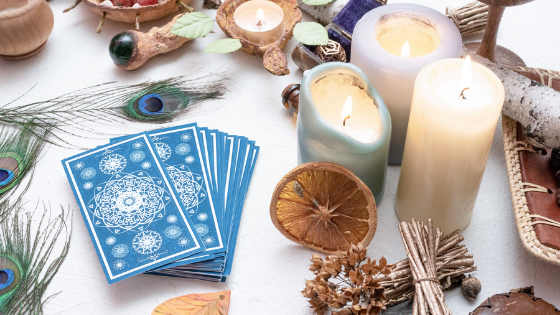
When I was starting my Tarot journey, the thought of learning meanings and descriptions for 78 cards seemed super daunting. In fact, I was overwhelmed to the point that I stalled my study for a few months before I gained traction.

The thing that helped during that time was learning some basics.  These included knowing the differences between the Major and Minor arcana, numerology, what each suit means, and the main points are for each court card.  These helped me quickly make assessments when I pulled cards, but I still felt like I was missing something.  It felt very textbook to me, very standard, nothing about it felt personal.  

I was missing my own spark!

What was missing was using my own intuition including how I feel about the card, what I’m picking up about the person I’m reading for and the situation I’m reading about.  Adding this into my repertoire helps me pick up almost any deck and read with it because I’m not worried about key phrases or definitions, I’m letting my brain tell me what I need to know.

What does Intuition mean to me?

Intuition means trusting myself that I will have an answer when I need it.  This did not happen overnight, it happened over months and years of honing this trust by practicing.  How did I do this?  By not using the little white book that came with my deck.  In fact, I forced myself to do personal readings without any book or cheatsheet’s help.  I would just read based on my own brain and what I thought was important from each card. 

If the thought of doing this stresses you out, promise yourself that you’ll do the reading without the book first by writing down your own thoughts that come up from your intuition and then going to the book.  Once you start realizing that you can do it without the book’s help, you will need the book less and less.

How does this work when reading for others?

For starters, I use the energy I get from either their body language if I’m doing a live or Zoom reading or what words they use if I’m doing a written reading. I can’t really explain this process, but I can feel things from the other person which helps me decide what information to bring forth in readings.  It also helps if I know what kind of reading we’re doing – I get different energies around writers looking for creative help than I do for friends who are needing help with a romantic relationship.

How does this work if I’m using the cards as a writer?

I actually drop the traditional meanings all together and just use the details in the cards.  I look at colors, backgrounds, foregrounds, tiny details, and anything about the people or animals in the card that might ping creative ideas for my characters, plot points, and anything else I need for my writing. 

Dropping the key phrases helps me find that freedom to trust myself fully, moving swiftly from idea to idea, knowing that whatever comes up is exactly what I need in that moment. It’s either the perfect answer or something that will help me create the perfect answer.  It’s all about making connections and brainstorming until I feel that certain something that tells me I’m on the right track.

When you hear the phrase Intuitive Tarot Reader what do you think? I’d love to know below. 

The form you have selected does not exist.
How To Use Tarot Cards to Brainstorm New Ideas

Posted on May 3, 2021May 3, 2021 by Jennifer Gregson

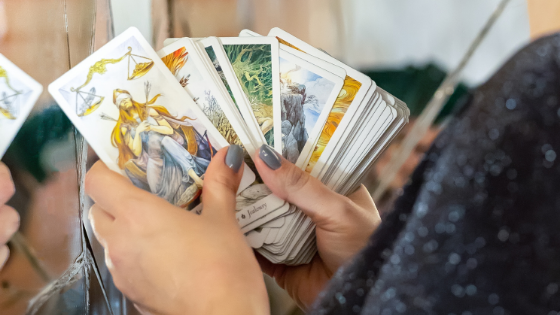
Using Tarot cards to come up with ideas is one of my favorite ways to use the cards and it’s a fairly easy process.

Decide what you need ideas for

Are you writing a YA novel, a series of Science Fiction books, or blog posts? Seriously, this concept can be used for just about any kind of writing or anything you need ideas for but having some direction will help you narrow down ideas during brainstorming.

Grab your trusty deck

While shuffling your cards, think about what you need ideas for.  Not just what you came up with in number one above, but also specifics. For example, I want ideas for a new YA novel that includes a Mother-Daughter relationship. This helps get your intuition and your cards on the same page. 

Pull cards

Once you feel comfortable, stop shuffling and start pulling your cards – however you like.  You can cut the deck or pull from the top.  You can fan the cards on the table and randomly pull or create a “spread” of sorts.  You can pull one card at a time or flip up two or three at a time.  There is no wrong way to do this part! 

Start brainstorming

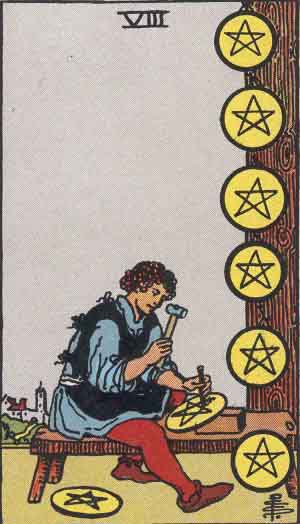
Now it’s time to start looking at the card or cars and write down any and all pings that come to you right away. For example, say you need ideas for blog posts and you pull the 8 of pentacles – the first thing you might think of is skill versus mastery which makes you think of a conversation you had with a friend about whether writing can be taught.  Boom, idea number one! Write it down and keep going.  If you need to set a timer, do that.  If you know you have time, then relax and enjoy the process.  

Keep going!

Keep pulling cards and writing down ideas. It’s really that simple.  But for some extra help – look at the people in the cards, what are they doing? Look at the background and the foreground – sometimes I get random ideas based on boats, hills, mountains, and cities.   Look at the colors in the card for inspiration.  And if nothing else works, how do you feel when you look at the card? Does it remind you of anyone? Or a situation you’ve been in before?

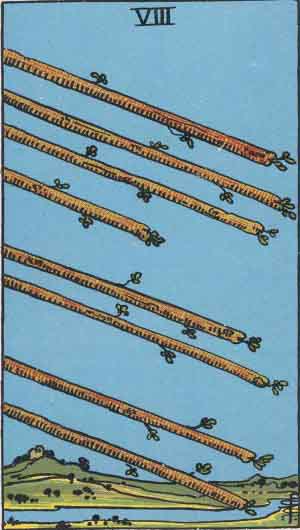
Here’s one more example, let’s say you want to write a romance novel and you pull the 8 of Wands.  What are you going to do with that? It’s just some wands flying through the air. Well, maybe you think of air travel – your couple could meet on a plane or in the airport, or maybe they’re saying goodbye because they’re going to do long distance. 

The card is also about communication so maybe there’s some miscommunication and your new lovers meet at the wrong movie theatre. While at the wrong one, your heroine starts talking to a young man waiting for his friends and BOOM – love triangle and conflict can start.  

Have you ever used Tarot cards to help you brainstorm new ideas?

Here’s Why You Shouldn’t Be Ashamed If You Are Suffering From Writer’s Block

Posted on March 30, 2021November 3, 2021 by Jennifer Gregson
Shouldn't be ashamed if you are suffering from writer's block

Feeling stuck or suffering from Writer’s Block is not fun, but it’s nothing to feel ashamed of. You know what I’m talking about. Someone asks how the book writing is going and you say things are good even though you haven’t technically sat down in days (or months) and actually written or edited anything.  You feel terrible, guilty, and some shame but you don’t have to.

What exactly is Writer’s Block anyways?  

Maybe you’re not writing at all and totally avoiding sitting down at your computer at all costs – your kitchen has never been more clean and organized though.

Maybe you are writing some, but you hate every minute of it and you’re starting to want to avoid that computer, the bathroom mold is calling your name. 

Maybe you’re feeling a bit icky about the words you are producing as nothing sounds right, nothing feels right, and you’d rather spend your precious writing time researching one tiny detail in your novel, make another mood board or playlist, and reading that new book that might help you write yours. Yes, all of those things are fun and very much needed (at least to me) but there’s a fine line between research and procrastination.

Creative Fatigue

We are all feeling wiped out – Pandemic, lockdowns, online school for our kids, Zoom meetings all day, no coffee shops to write at, no aimlessly wandering Target listening to other people’s conversations – it’s been hard and we are all feeling dry and burnt out so luckily, you are not alone.

Why do I say luckily? Because when we’re having writer’s block and we starting feel ashamed we think we alone are suffering, but the truth is we are all feeling degrees of this pandemic pickle (a phrase I coined because I hate pickles but love alliteration – and pickles are sour and that’s the feeling I sometimes get when blocks rear their ugly head) but we can do some things to help.

Change Your Routine

You probably can’t go to Starbucks or other coffee houses to write, but you can go to a different location in your house.  You can try hand writing a few pages if you’re used to typing (or vice versa) or go totally nuts and use the voice memo on your smartphone to speak aloud a passage, scene, or whole chapter.  Or use the voice memo feature to talk through issues you are having with your novel like a talk therapy session.

Journal

Like I mentioned a few blog posts back you can journal as if you are one of all of your characters which does help unlock some fun dialogue and patterns of speech for each of them, but you can also just journal about your book. What do you like about your story? What are you not liking right now? What do you love about your main character? What do you hate about them? What do you love about your antagonist? What makes them the perfect villain? Sometimes we get so wrapped up in the day to day grind of writing that we forget why we started writing our current WIP in the first place. Why do you love your story? What was the inspiration? 

Talk It Out

Do you have another writing friend? Ask them how they’re feeling and let them know what you’re feeling and see if you can help each other out.  If none of your friends are writers, turn to Facebook or another group online (Discord has quite a few) to share what you’re feeling and let others offer advice.  Being honest and authentic with others allows them to be open and honest back and to let them see that they are not alone either.  

Don’t Beat Yourself Up

It’s hard right now. Writer’s Block is always hard (even without being in lockdown) but please don’t beat yourself up that won’t help anything and will only make you feel worse. Instead, give yourself some grace.  Talk to yourself the way you would your child or your best friend if they were having this issue.  Make your favorite hot beverage and tell that beautiful writer in the mirror that tomorrow will be better. 

Do Something

Write something…even if it’s one sentence.  Edit something…even if it’s one paragraph.  In fact, it’s better to restart slowly.  Make a plan to write for 1 minute and then stop. Do that for a few days and see if you’re itching to get back to it. If not, great – keep up with the one minute a day until you do feel better.  One minute a day is better than not writing at all for months on end. I know it seems silly, but trust me it will keep you connected to your novel, your story and your characters without driving yourself crazy.  It really is a win-win.

Celebrate

Look back at how far you’ve come.  Did you write one chapter before writer’s block? Great! Did you get through a whole draft but editing is causing you problems? Awesome!  Celebrate what you’ve done and see that you can and will write again.  Celebrate that you are aware of your problem and you are taking steps to fix them. Smile at that beautiful writer in the mirror and celebrate that you are a Writer – own it, claim it, call it, shout it out loud and proud. You are a beautiful writer and I never want you to forget it!

Which one of these tips and tricks are you going to try first? I would love to know.

The form you have selected does not exist.
3 Things To Remember When You Are Feeling Stuck

Posted on March 15, 2021November 3, 2021 by Jennifer Gregson
Things to Remember when you are stuck

You used my tips from my last blog post and your characters are talking to you again, the words are flowing, and you are feeling on top of the world…until you aren’t. You just can’t get into the groove, words sound stilted, your dialogue sounds like a kindergartener wrote them, you are just feeling stuck. 

Why? What’s happening?

You have the dreaded writer’s block, even though you can’t seem to admit that to anyone – not even yourself – you know you are avoiding your laptop, or that Scrivener file – and it’s starting to affect your mental health.  You are letting your past issues affect your present and it sucks.

You Are Awesome

First, don’t lose sight of how amazing you are.  Just because you are stuck right now and you’ve had some issues sitting down and getting quality words down on paper – and you’re probably starting to feel crappy – remember that you are awesome.  You have had days and months of writing amazing things, quickly and in total flow which means you can get back there again.  

You Are Magic

Secondly, remember that everything you need is inside of you – right now and always! You just might need some help.  Another person to talk things out with (like a Tarot Reader who specializes in helping writers perhaps?) or just a day or two where you don’t stress about the words.  Journal, interview your characters, try something else, build a playlist, dance, draw, do anything else to get out of your own way.

You Are Going To Be Okay

And finally, realize that things might look different.  You might have planned and made a detailed outline and then your main character did something to screw everything up, but after you looked at it – it’s actually pretty brilliant. Or maybe you don’t outline but you had some ideas and nothing is panning out the way you thought…but what you are writing is actually funny so go with that.  OR maybe you wanted to write fantasy but aliens keep popping up – okay, take a step back and see if you really, deep down want to write Science Fiction?  It’s all OKAY, trust me.  Go back to step two and remember that you are magic!

How are you feeling now? Can you take a deep breath, remember how magical and awesome you are, and try again?  Let me know how it goes below.

The form you have selected does not exist.
4 Tips To Get Your Characters Talking To You Again

Posted on March 1, 2021November 2, 2021 by Jennifer Gregson
Getting characters to talk to you

Has this ever happened to you? You are writing your draft, words are flowing and then one day your characters just stop talking to you?  You know what I’m talking about – words stop, dialogue sounds wrong, characters are doing things that are not in your outline.  What is going on?

We all know that characters have a mind of their own sometimes and that can mean they stop talking to us which can cause us to stop writing all together which is not great for getting that draft finished is it?  In fact, it’s downright frustrating!

I have a few things that might work…try a few and see what works best for you.

Visualize Your Characters

I like to grab my favorite Tarot deck and either grab the card I used to create my character in the first place or choose one that I think represents them now. OR if you’d rather have a real picture, head to Pinterest and find an image that looks like the character you have in your head.  Now you have something to look at, something to talk to, someone you can keep in your mind while you are writing.

Journal

Another helpful exercise I like to do when I’m feeling blah with my characters is journal as if I am them. Would your character type or handwrite their diary entry? Purple pen or blue ink? Flowery language and doodles or bullet journal style? This can get you back into the mind of your characters pretty fast.  If you are stuck on a particular scene, then use that to fuel what you journal about.  If you’re just kind of stuck in general, then start having your character talk about another character in the book and then flip flop and do the same thing with the other character. Very eye opening and will help unlock lots of stuff you might not have thought about originally.

Interview Them

Very similar to the journal exercise, think of some questions you could ask your characters and then interview them.  This is where I love to have to have an image to look up so I’m talking to someone or some representation of them.  You can do this via writing, you can record yourself on your phone using voice memo or video yourself and use different voices for your characters – this might just be the ex-actor in me – but it can be fun to “play” as if you are them for a while.

Role Play

Adding on to the interview – act out a scene from your book being all the characters.  Like a crazy one man play – run around your living room acting out a scene or chapter – either one you’ve already written or the one you are stuck on. Keep a notebook close so you can take notes or film yourself and watch it back later so you can write down what you said. It can be silly, fun, and get your creative juices flowing quickly.

Which one are you thinking of trying first?  Let me know how it goes.

And if you need some help creating characters, download my free training Novel Narrator: Easily Create Your Book’s Characters in 30 Minutes using Tarot here or by signing up below.

The form you have selected does not exist.

5 Tips for Choosing a Tarot Deck to Use for Creative Writing

Posted on February 15, 2021February 15, 2021 by Jennifer Gregson

Choosing a Tarot deck is a very personal decision because you need to feel connected to the imagery used, the colors and overall feel of the deck, but I do have some tips for helping you choose a good deck to use for your writing or other creative projects.

People

I like a deck with people. Now, if you write children’s books and deal with animal characters then by all means look for a fun deck with animals. OR if you connect with animals and use those types of characteristics in writing your novels then, again, look for a deck that includes animals.  I like people, preferably diverse people featuring both genders.  And I like those people to be doing things in my Tarot decks, either engaging with each other or their environments.  

Backgrounds

Personally this is the biggest factor for me – there has to be interesting things going on in the background of the images.  Mountain ranges, cities, rivers, the sun or the moon, animal friends, other people, ships, different light sources, volcanoes, different places, different seasons, etc.  Elements in the background are huge for me when developing characters, plots, and helping with various other issues that I turn to my cards for.

Foregrounds

This is an odd concept, but go with me.  So the backgrounds are the elements behind the people. Then you have the people. Foregrounds are things happening either in front of the people or next to the people.  

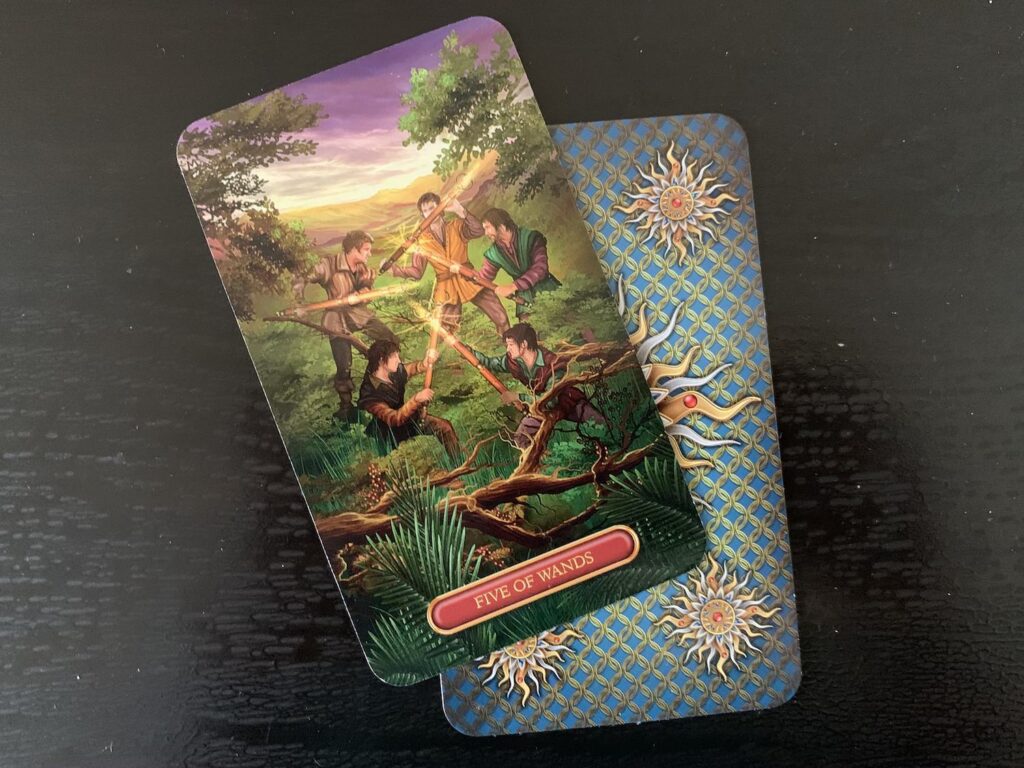
For example, look at this version of the Five of Wands from the Gilded Tarot Royale deck. 

In the background you have a sunrise or sunset and possibly a storm brewing.  The people are all fighting each other with magical wands.  In the foreground you have this gnarled branch that has fallen with thorns and flowers growing on it.  And even more in front is some tall grasses that are sticking up in the air.   

Side note – this is one of my favorite decks because it has so much going on.

Color

I need bright, bold, beautiful, rich colors.  In life and in Tarot.  Again, look at that example card image above.  There are yellows, greens, pinks, purples, and even some red.  So many colors!!  I use color to help me get a feel for the scene, more info about a character and even help me describe certain things within my writing.  Let’s say you need to talk about a sunset, I could pull a card or flip through my deck until I get to the card above and now I have some beautiful imagery to draw from.

Ease of Use

Can you read Roman numerals? Or would you rather not?  Do the wands and swords look different enough in the deck or will you always be wondering which is which? Before you buy a deck, see if you can look at some of the cards online to make sure you like the deck.  It’s even better if you fall in love and can’t wait to use your deck, but I’ll take like for now.  If you’d rather not spend money on a physical deck until you do feel the love, then download a few apps onto your phone and use those first.  Bonus, they are cheaper and then you’ll always have a deck with you!

Are you ready to grab a deck?

Here are a few that I recommend you look at – all of them have beautiful imagery, people, fun colors, and I think they are easy to use – but you should check them out and make sure you agree!

Rider Waite Smith

Modern Witch Tarot

Gilded Tarot Royale

The Light Seers Tarot

The Steampunk Tarot

Modern Spellcaster’s Tarot

What deck is calling to you?  Let me know below!

The form you have selected does not exist.
2020…What a Year!

Posted on December 14, 2020November 21, 2020 by Jennifer Gregson

Wow, 2020…you have definitely been a year.  Would I say a good year?  Probably not, but was it a total wash? Nope, not really.  Let’s take a little look back at some of my favorite writing posts from this year and you tell me down below in the comments, which was your favorite?

I started the year off with a few of my favorite things when I write – coffee, notebooks, and music, oh my!

A Few Of My Favorite Things…When I Write

I showed how I get into the head of a character and do my various journaling techniques for finding voice.

How To Get Into The Head Of A Character

Then I shared my author journey from NaNoWriMo to Self-Published Writer!

My Author Journey: How I Went From “Oohhh NaNoWriMo Sounds Fun” To “Self-Published Author”

I shared an interview I did with the two main characters of my upcoming YA novel.

An Interview With Etta And Gina

Oooh, I tried to explain why I love writing YA Coming of Age novels — I really, really do — they are the best!

Why I Write Coming Of Age Stories for Young Adults

After quarantine craziness, I talked about how I’m making my writing more fun!

How I’m Making Writing More Fun

I showed how I use Pinterest to create a mood board for my books – with character images, pictures from the novel’s setting, and other things that remind me of my book as I’m writing.

How I Use Pinterest To Create Mood Boards For My Novels

Lastly, I shared a series of how I use Tarot in my writing by creating characters, making an outline, and working through the muddy middle.

Using Tarot Cards (And My Own Spreads) To Write A Short Story

2020 was rough, but I’m actually proud of all I’ve accomplished.  Tell me below, what good things have come out of 2020 for you? 

I hope everyone has a good year end and I’ll see you in 2021!!!

The form you have selected does not exist.

  • Previous
  • 1
  • …
  • 3
  • 4
  • 5
  • 6
  • 7
  • 8
  • 9
  • 10
  • Next
  • July 25, 2025 by Jennifer Gregson How to Use Headings and Flourishes in Book Formatting: A Fun Guide for Indie Authors
  • July 18, 2025 by Jennifer Gregson Book Formatting Terms Every Indie Author Should Know: Lingo 101 for Self-Publishing
  • July 18, 2025 by Jennifer Gregson Don’t Leave Your Reader Hanging: What to Include in the Back Matter of Your Self-Published Book
  • June 27, 2025 by Jennifer Gregson Front Matter 101: What Every Self-Published Author Needs Before Chapter One
  • June 20, 2025 by Jennifer Gregson How to Pick the Perfect Trim Size for Your Print Book (with Examples!)
© 2026 Jennifer Gregson | Powered by Minimalist Blog WordPress Theme